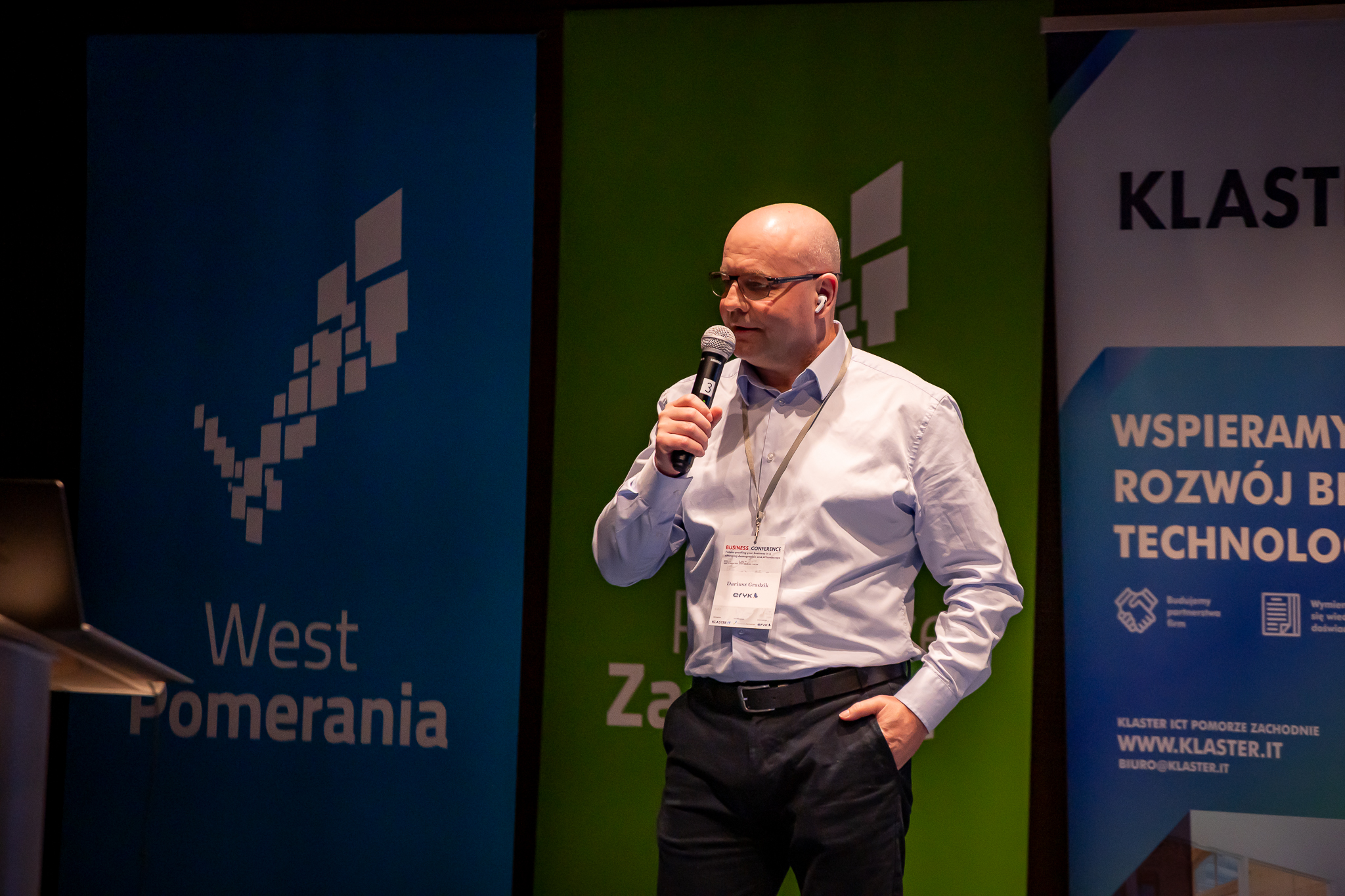


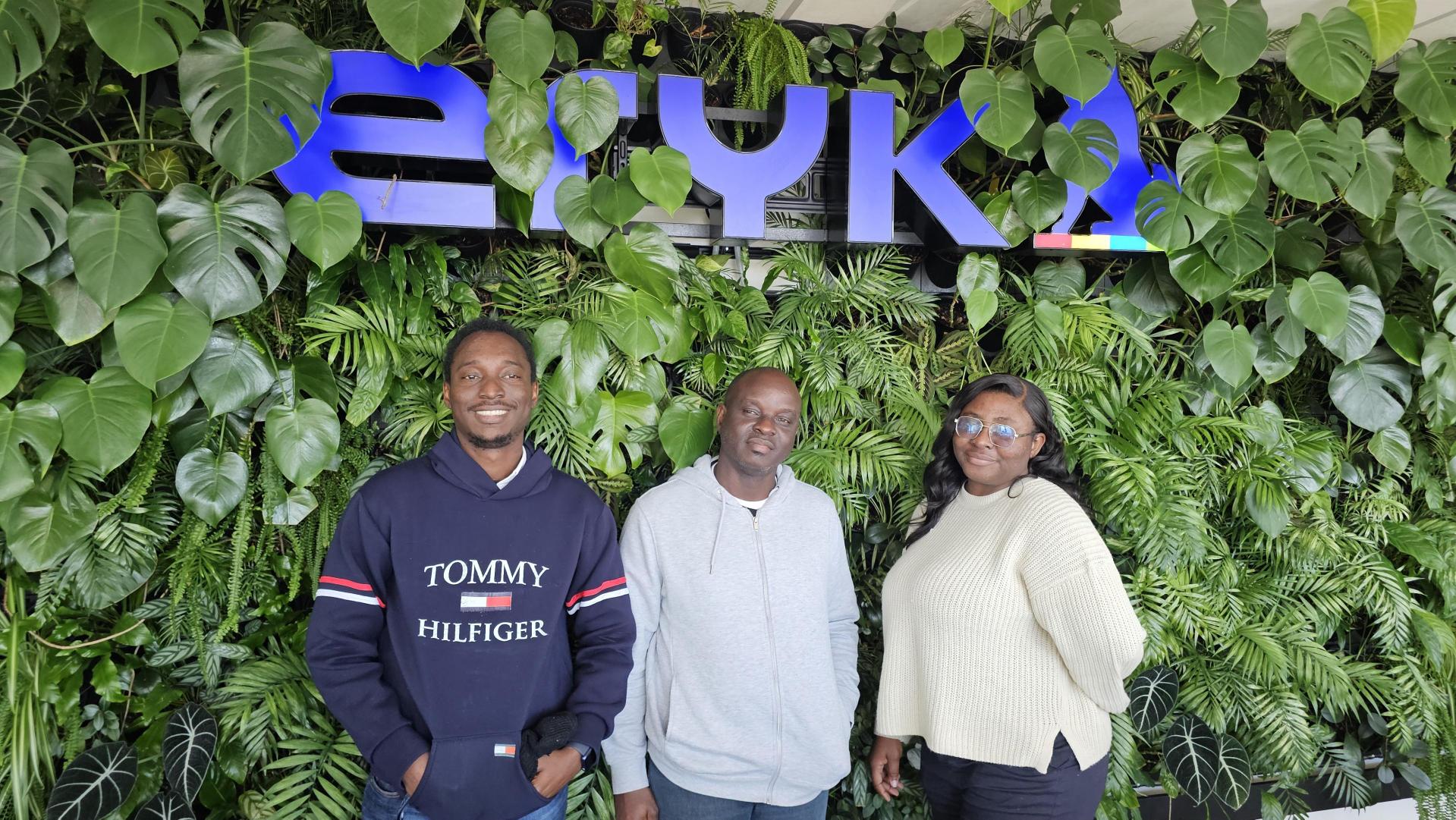
Beyond the screen: Our Developers visit to Poland.
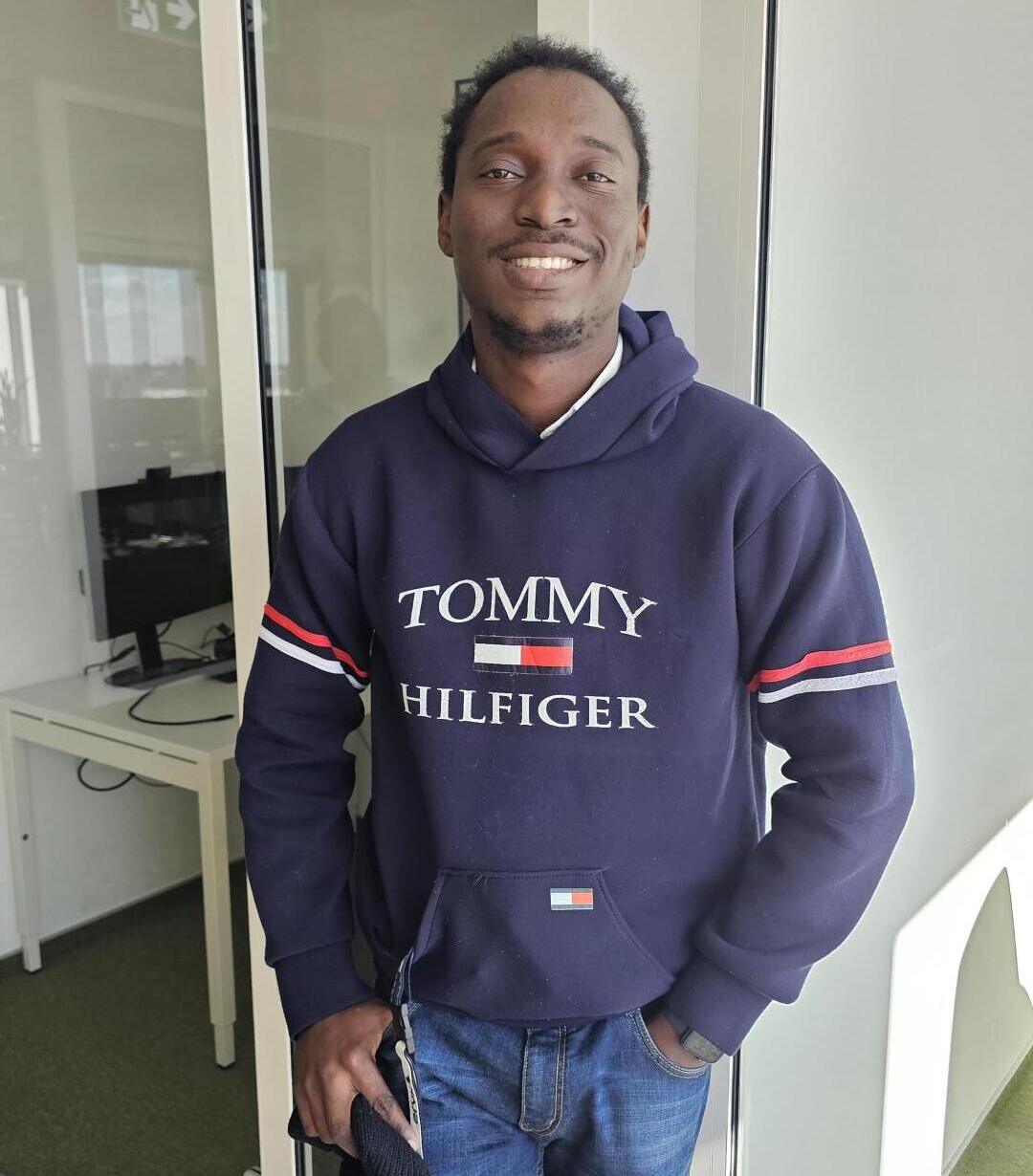
Recently, three members of Eryk Remote IT teams Stephanie, Adesoji and Lanre travelled from Lagos to Szczecin, Poland to learn about Eryk’s working systems, attend technical workshops and participate in business meetings..
When the work becomes real in a new way
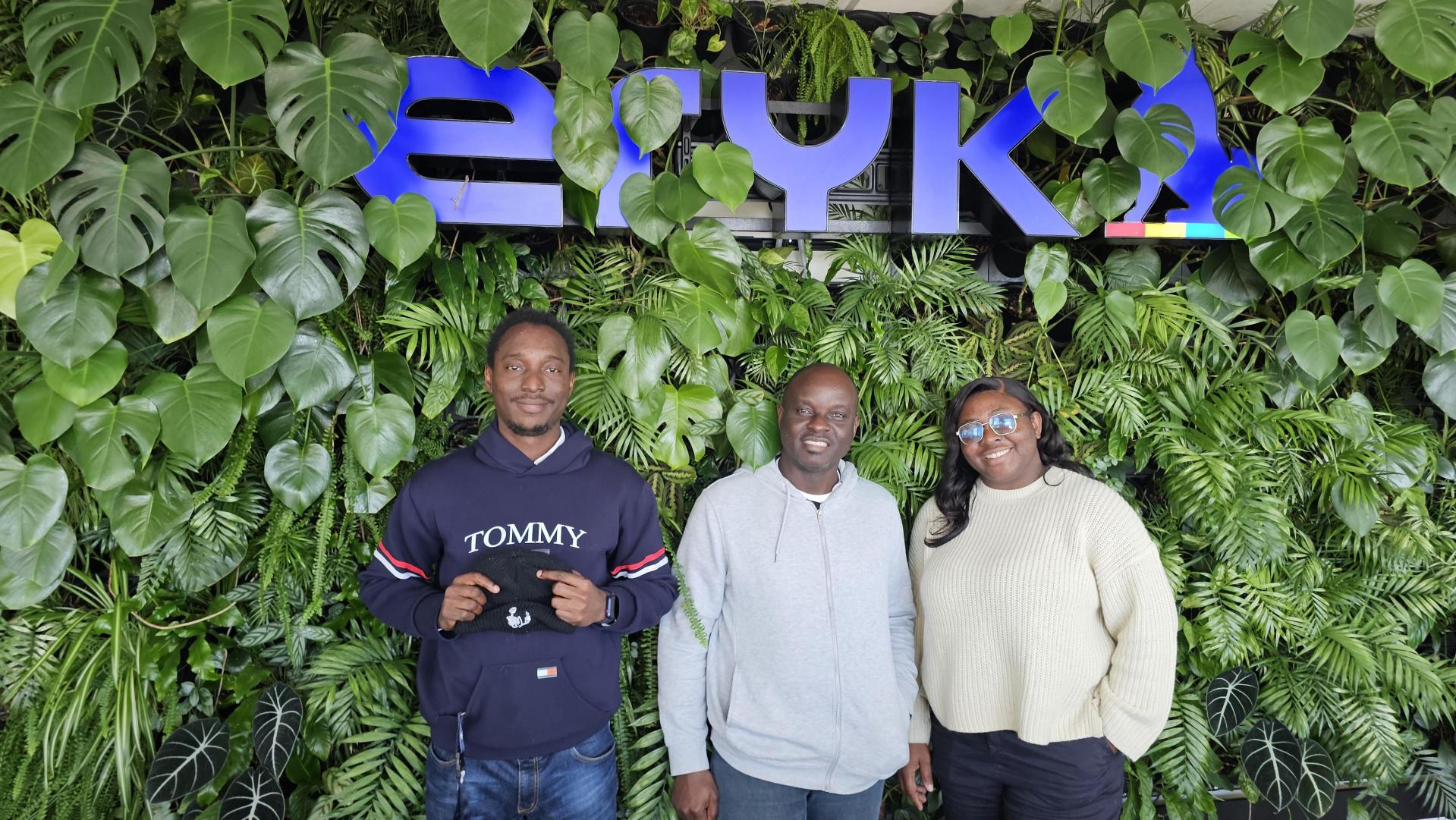
For Stephanie, the trip changed something simple but significant. It made the people behind the screens feel real.
Being onsite gave a different shape to the work she was already doing. It reinforced that her contribution was not peripheral. It was valuable, visible, and held to international standards. That shift matters. There is a special kind of confidence that comes from seeing for yourself that your skills travel well, that your work holds up, and that your presence belongs in the room as much as your output does.
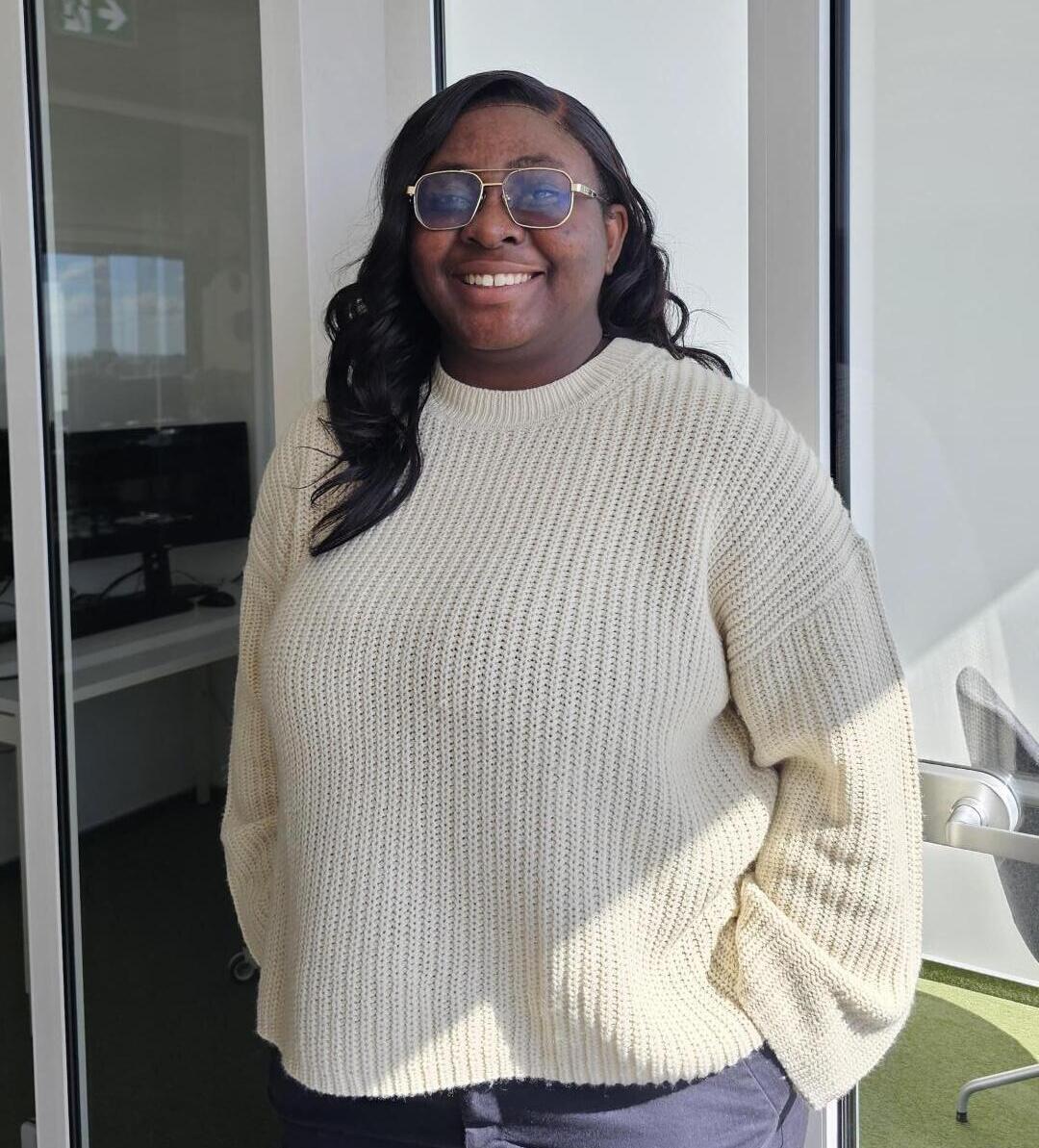
“Being onsite made the people real to me. It’s completely different from interacting through a screen. This trip reinforced that my skills are valuable and that I am not just contributing from afar, but I can deliver at a level that meets international standards.”
Lanre’s reflection carries that same sense of expansion, but from a broader angle. For him, the trip was not only about being present onsite. It was about stepping more fully into an international environment, one that exposed him to global customers, different work cultures, and cross-functional teams. He described it as an experience that strengthened his sense of belonging and reassured him that he could perform effectively beyond his local context.
Adesoji experienced the trip differently, but the effect was similar. For him, it strengthened confidence by deepening perspective. Work culture can vary widely from one place to another, and being present within that environment gave him a clearer understanding of the organization, his colleagues, and how to engage more fairly and effectively across differences.
Understanding people, not just processes
One of the strongest themes across the stories is that face-to-face interaction changes collaboration in ways virtual meetings rarely can.
For Stephanie, meeting people in person made communication more intentional and alignment stronger. It also gave her insight into a work culture where structure, clarity, and efficiency are prioritised, but where work does not consume life entirely. That balance left an impression.
Lanre took something equally practical away from the trip. He reflected on the importance of transparency, proactive communication, and managing expectations early. In his view, being face to face made it easier to read non-verbal cues, clear up ambiguity quickly, and align priorities before small misunderstandings became larger delivery issues. He also noted that meeting the internal team in person strengthened trust and made later virtual communication more efficient and natural.
Adesoji speaks about something equally important: perspective. Experiencing the Danish working culture firsthand helped shape how he understood colleagues and interactions, replacing assumption with direct understanding. Together, their experiences show that the trip did not just offer exposure. It sharpened the way each of them thinks about teamwork.
“Seeing everyone in person changed how I approach collaboration. It strengthened alignment and made communication more intentional.”
An invitation that meant more than travel
Sometimes an invitation arrives as logistics. Sometimes it arrives as validation.
Stephanie admits her first reaction was confusion. She had joined less than a month earlier and did not expect the opportunity so soon. But that quickly turned into something heavier in the best sense: a feeling of trust, and a responsibility to prove herself worthy of it.
For Adesoji, the trip was not his first overseas business journey, but it still carried excitement. He looked forward to seeing his manager and immediate IT colleagues face to face.
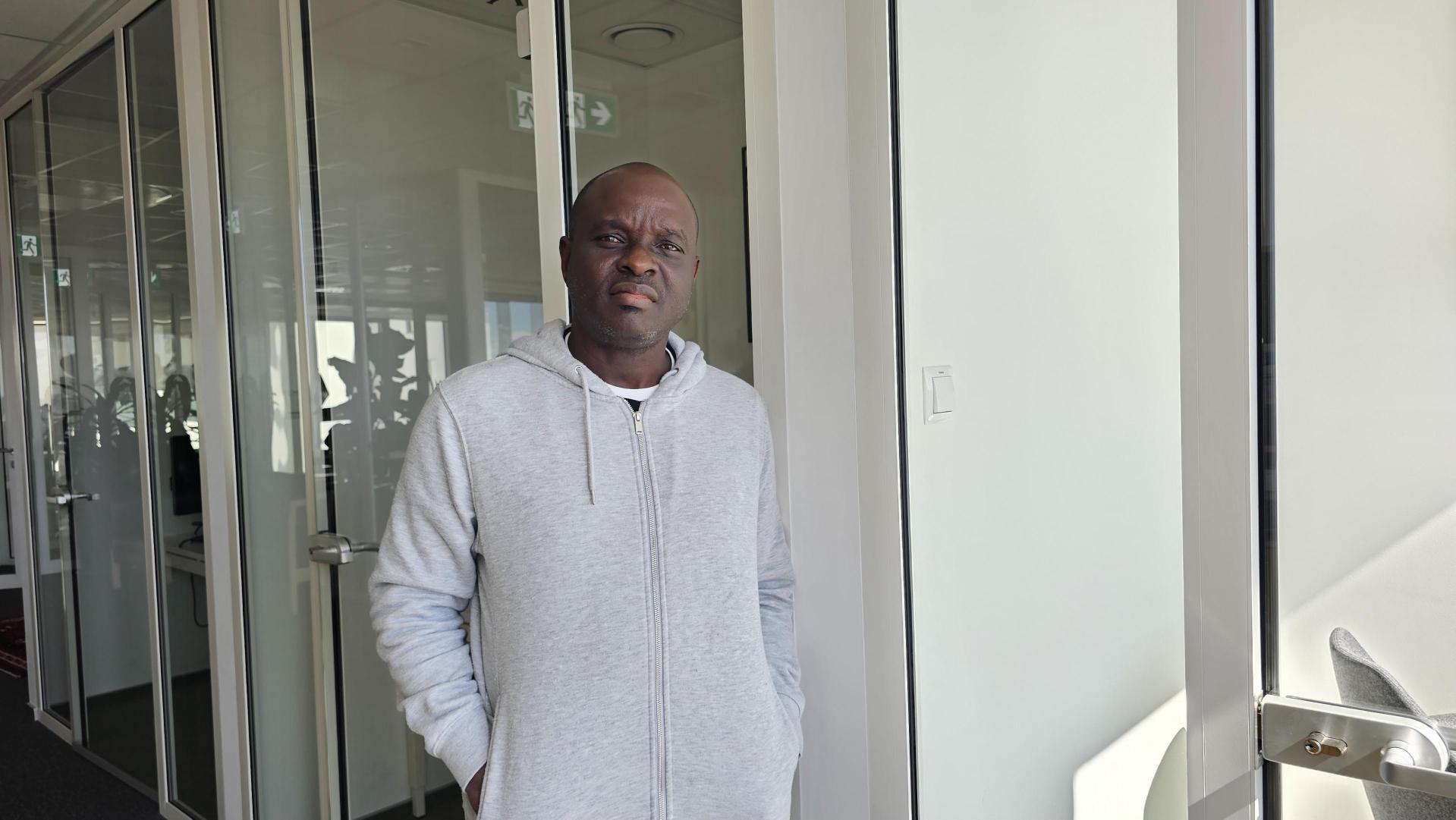
For Lanre, the moment carried a different kind of weight. He described it as a mix of excitement, breakthrough, confidence built, and trust gained. As his first time travelling abroad, it represented far more than movement between countries. Professionally, he saw it as validation, a sign that his performance and reliability had been recognised, and an opportunity to grow with greater confidence on an international stage.
That is what makes this kind of opportunity meaningful. It says: your work has been seen. And it says: we trust you to carry it further.
“Then it shifted to acceptance and a strong sense of duty. I felt I now had to prove why I was deserving of that trust.”
Happy Hours
For Stephanie, it was the random kitchen conversations. Those quiet, informal moments mattered because they made the team feel human and relationships feel more natural. “It wasn’t just working,” she said, “it became connections.”
Adesoji remembers a team bonding moment a week after he arrived. It stood out because he was able to see different sides of colleagues outside their work roles, and that changed the way he related to them.
Lanre’s memories span both the structured and the informal. The First Aid and AED training with Jacek Kukula stood out as a reminder that professionalism is not only about delivery, but also about safety, preparedness, and accountability. A meeting with Agata Wroble on E24 and E45 gave him clearer insight into expectations, standards, and ownership of deliverables. But he was equally struck by lighter moments of billiards with Pawel Szczesniak, dinner with Cesar and other team members, and the prospect of future outings that could deepen trust and make collaboration even stronger.
Together, these moments reveal something simple and important. Strong teams are not built only in task boards and status calls. They are also built in shared moments that make collaboration easier afterward.
A few lessons from the journey
The stories also carry practical charm.
There was cold weather to survive, of course. Stephanie adapted by “mastering the art of Layering.” Adesoji admits the first few days were unbearable until proper clothing made all the difference. Lanre handled the climate change by planning ahead layering clothing, investing in a proper winter jacket, and adjusting his daily routine to stay comfortable and productive.
Food was another part of the experience. Stephanie found it less spicy than what she was used to. Adesoji, with admirable honesty, simply said it was “not great” for him, though he blamed his own stomach more than the cuisine.
Cultural differences stood out too. Stephanie noticed a balanced work culture where structure and efficiency mattered, but work did not define life entirely. Adesoji was struck by how physically active many older people were in the city. Lanre noticed punctuality, organisation, direct communication, warm professionalism, and a strong reliance on efficient public transport. For him, those differences became part of the wider lesson: learning how to adapt, respect local customs, and move confidently within a new environment.
What this says about Eryk Remote IT Services
There is a wider story here, and the developers tell it well.
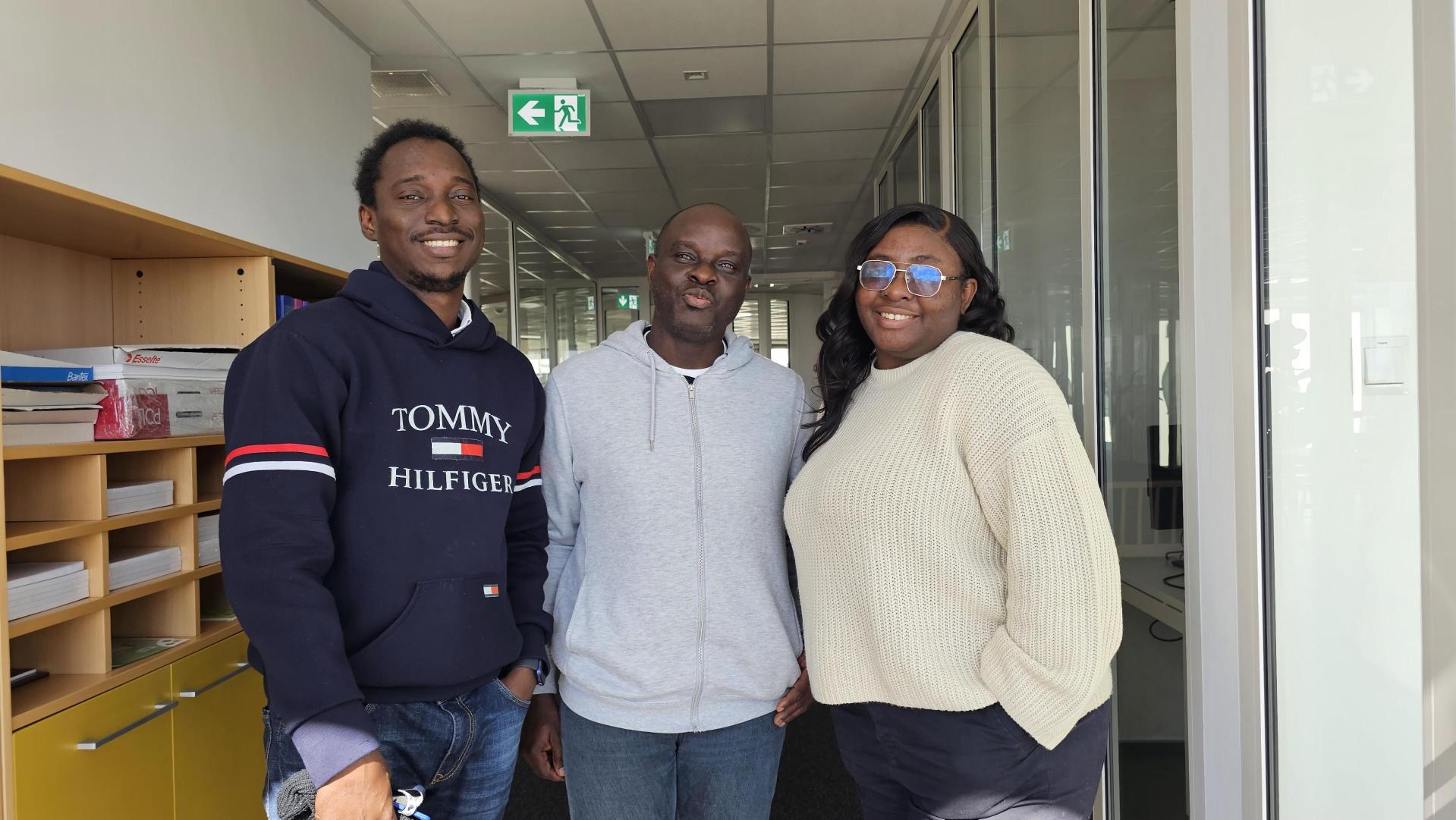
Stephanie sees the opportunity as proof that performance is recognised at Eryk regardless of location. For her, being invited onsite so early reflects trust, inclusion, and belief in people.
Adesoji puts it differently but lands in a similar place: Eryk Remote IT Services is intentional about employees.
Lanre’s reflection points in the same direction. He sees the experience as evidence that Eryk recognises performance, values reliability, and is willing to invest in people by giving them exposure that builds both confidence and capability.
That may be the strongest message in the entire story. The trip was not only about travel. It was about what travel represented.
Recognition. Trust. Exposure. Growth.
And, perhaps just as importantly, proof that good work can open doors far beyond the immediate task at hand.