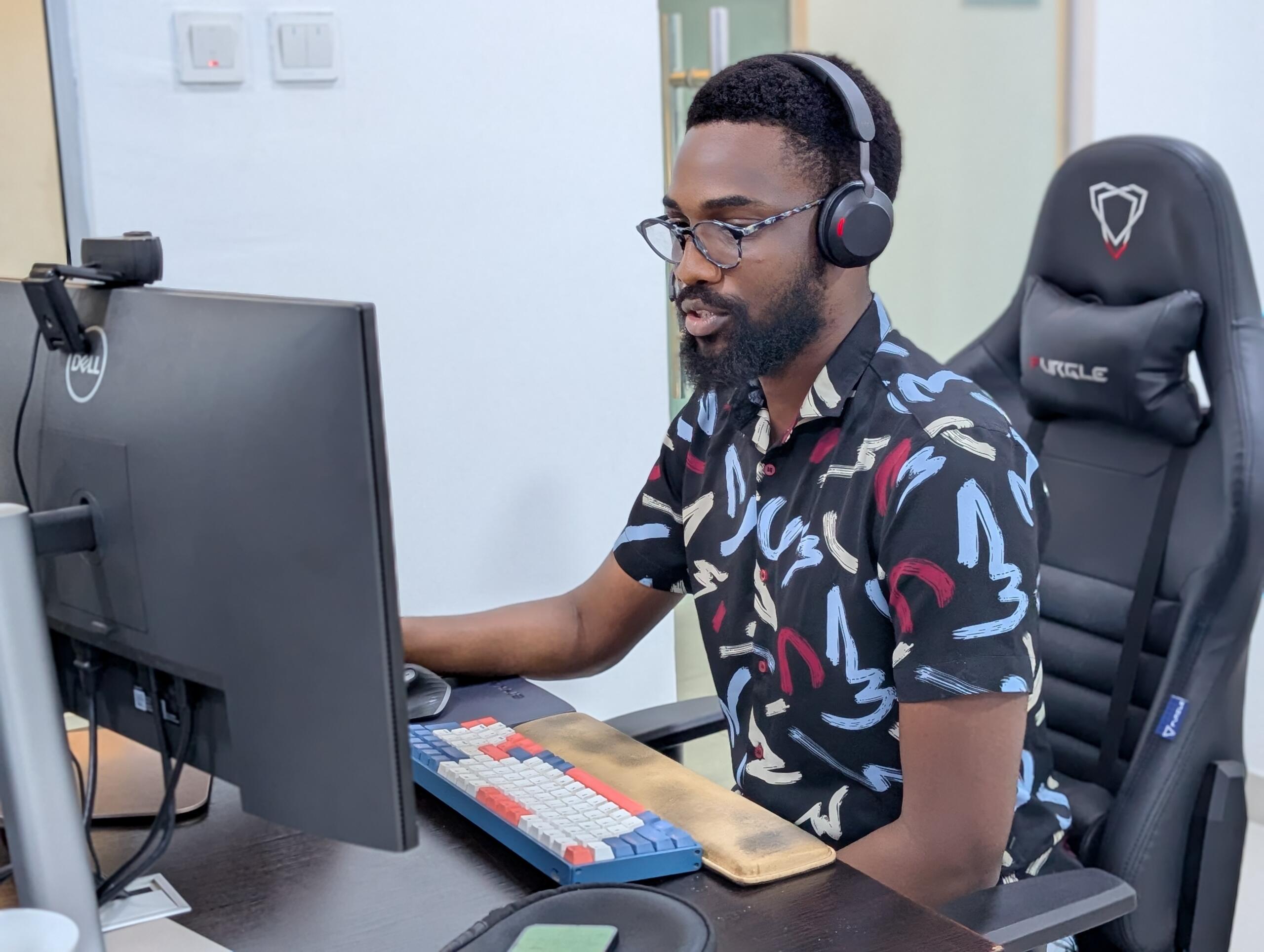


Report from the Business Conference: “Future-proofing Your Business in a Changing Demographic and AI Landscape”
On March 31, 2026, the international conference “Future-proofing Your Business in a Changing Demographic and AI Landscape” took place , organized jointly with Eryk IT and the Center for Economic Initiatives . The event addressed one of the key challenges facing modern business: how to develop and scale organizations in a world of changing demographics and the dynamic development of artificial intelligence. From the very beginning, participants could expect not only inspiring presentations but also concrete, practical lessons.
The conference was opened by the COO of the IT Cluster, Dr. Magdalena Ławicka , who welcomed the guests and emphasized the importance of international cooperation in the face of global challenges of the labor market and technology.
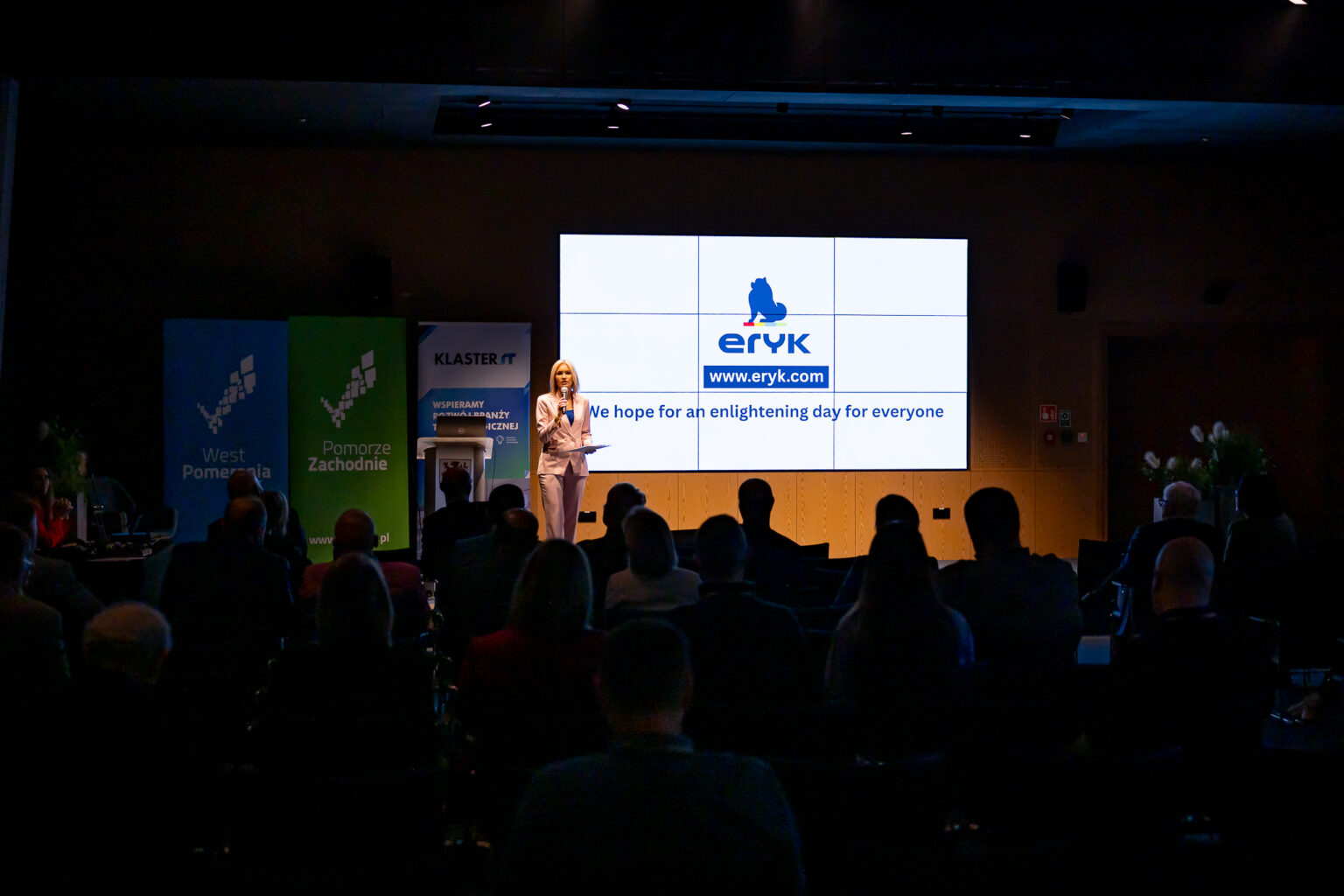
The event continued with a film showcasing the activities of Eryk , a conference co-organizer and member of the Cluster. The film introduced attendees to the organization’s development history, its international reach, and the company’s journey from its roots in Denmark, through its expansion in Poland, to the creation of programs for recruiting qualified specialists from Nigeria. The film not only provided context for the presentations but also provided an inspiring example of how to effectively build global teams in a changing business environment.
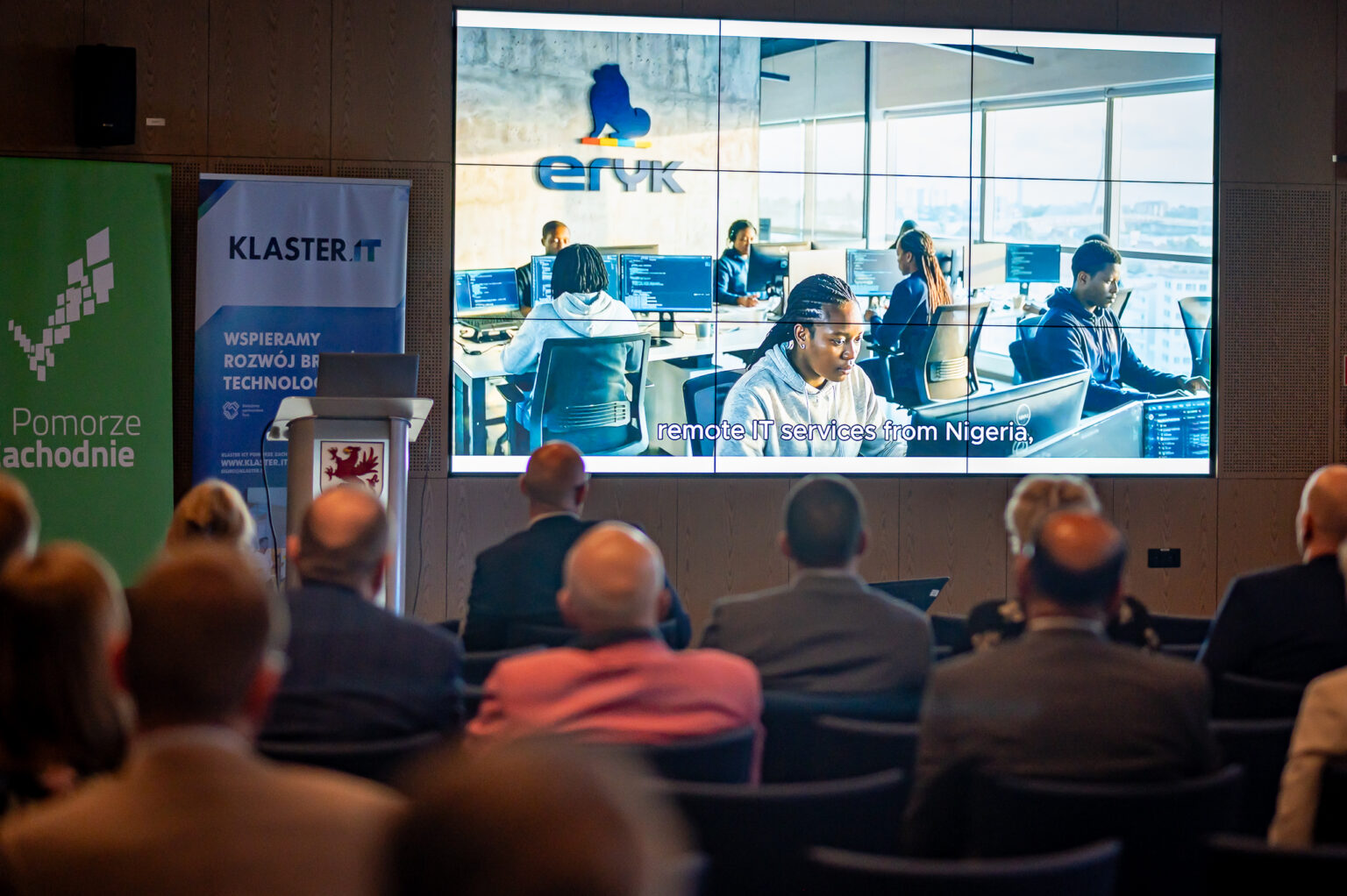
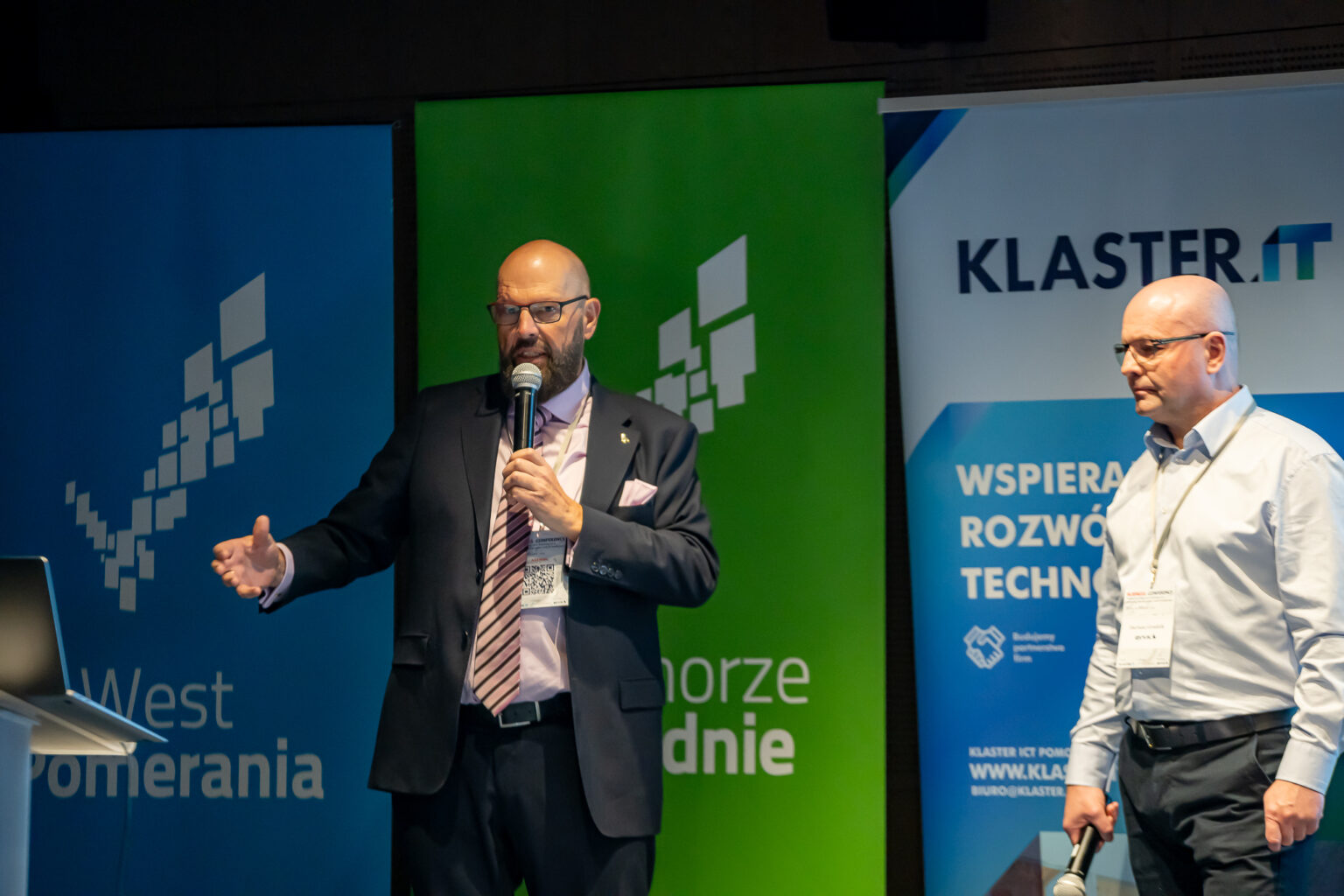
Then, Jens-Christian Møller , MBA, President of Eryk Group, addressed a few words to the participants, who in a short but eloquent reflection referred to the company’s development path and the importance of courage in making the decision to enter international markets.
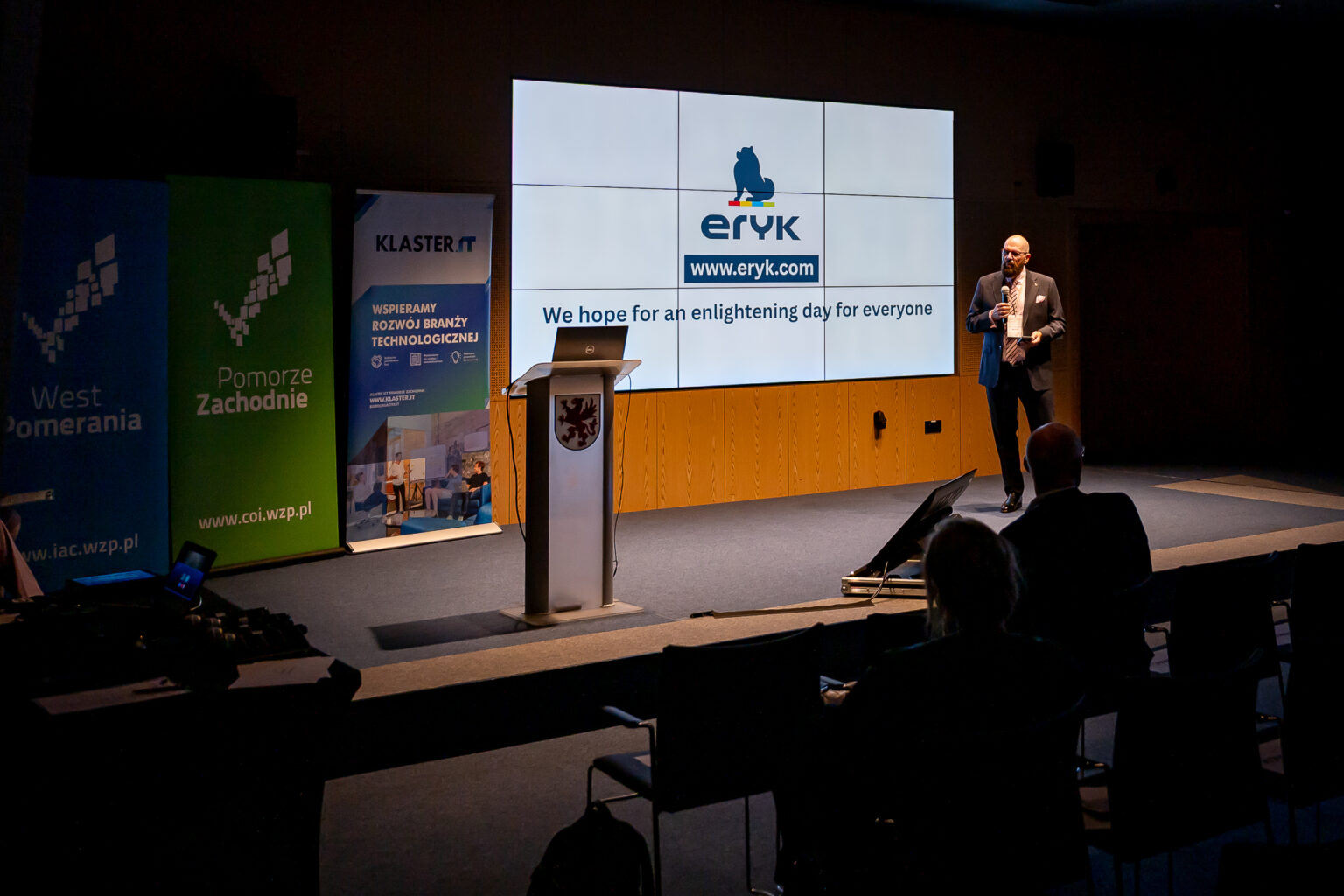
The official part of the opening was completed by a speech by Jacek Wójcikowski , Director of the Economic Initiatives Centre, who drew attention to the role of institutions supporting the development of enterprises and their foreign expansion.
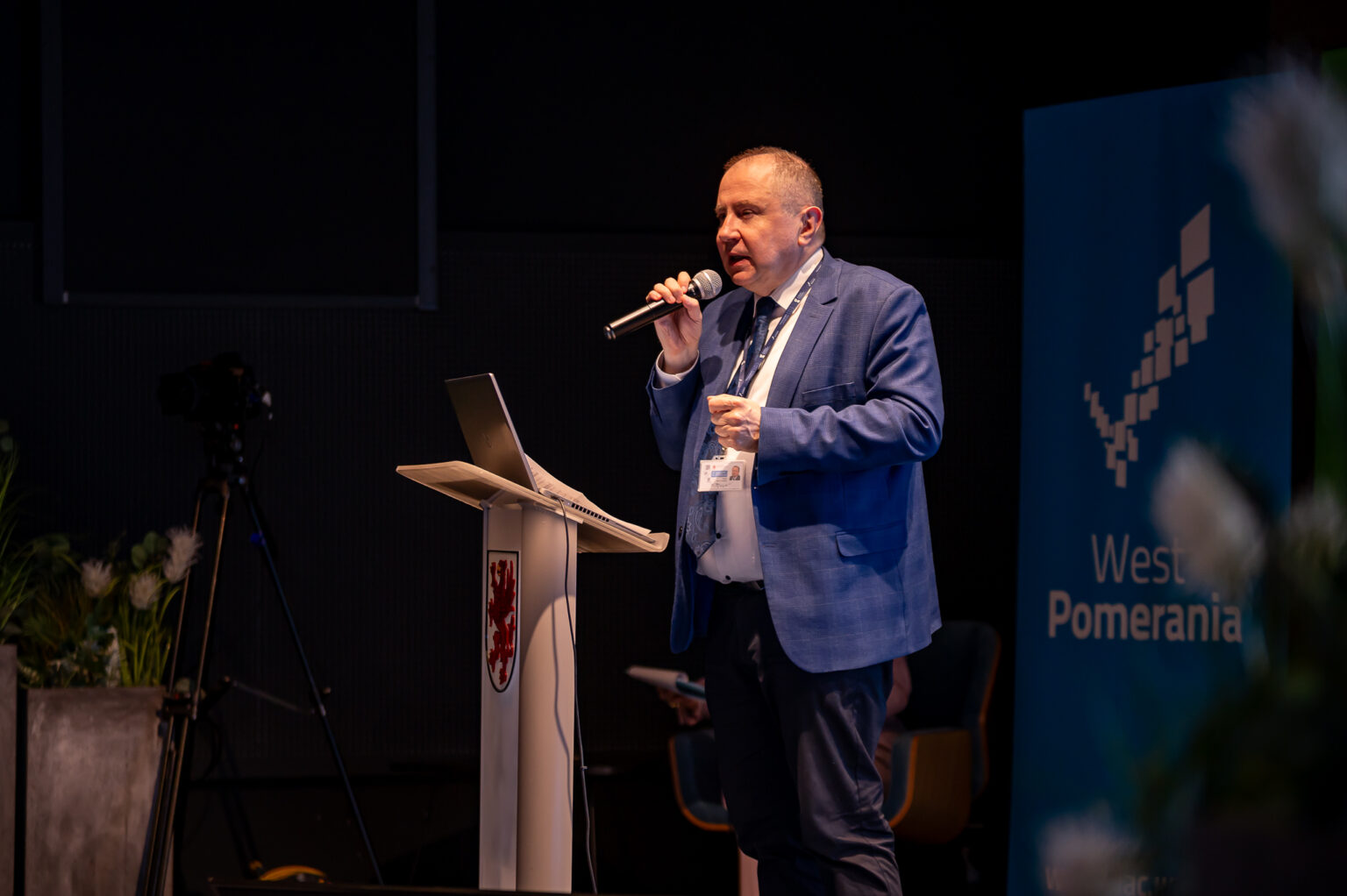
The first presentation was by Morten Siem Lynge , Director of Economic Diplomacy and Trade at the Danish Embassy in Warsaw, who introduced the participants to the development of business relations between Denmark and Poland from the 1990s to the present, placing them within the broader context of Danish economic diplomacy. The speaker presented the structure and priorities of the Royal Danish Embassy in Poland, emphasizing its active role in supporting businesses and building lasting trade relationships. Particular attention was paid to the dynamic economic cooperation, which has seen Denmark become a significant investor in the Polish market – particularly in the Szczecin region.
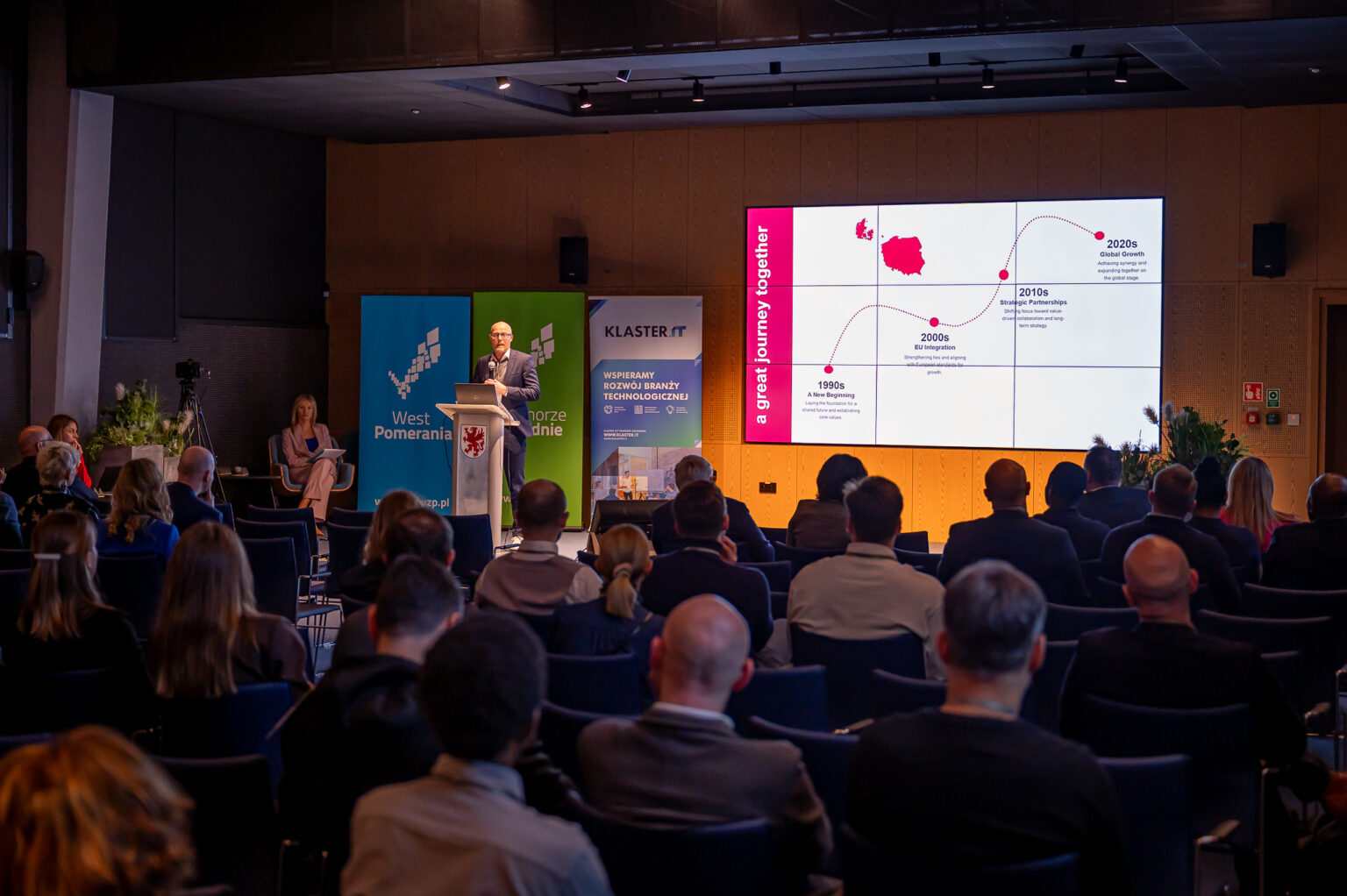
In the next section of the program, Dr. Małgorzata Saar from the Marshal’s Office, representing the Business Support Office of the Center for Economic Initiatives, presented support for small and medium-sized enterprises from Western Pomerania in their international expansion – from organizing trade missions, through co-financing participation in prestigious trade fairs, to reimbursement of transport and accommodation costs and exhibition stand subsidies. The program covers key sectors such as the maritime industry, construction, renewable energy, and cosmetics, and is scheduled to run until 2028, promoting Polish companies in European, Asian, and American markets. Thanks to the support of European Funds, entrepreneurs gain real tools for establishing contacts and building international recognition.
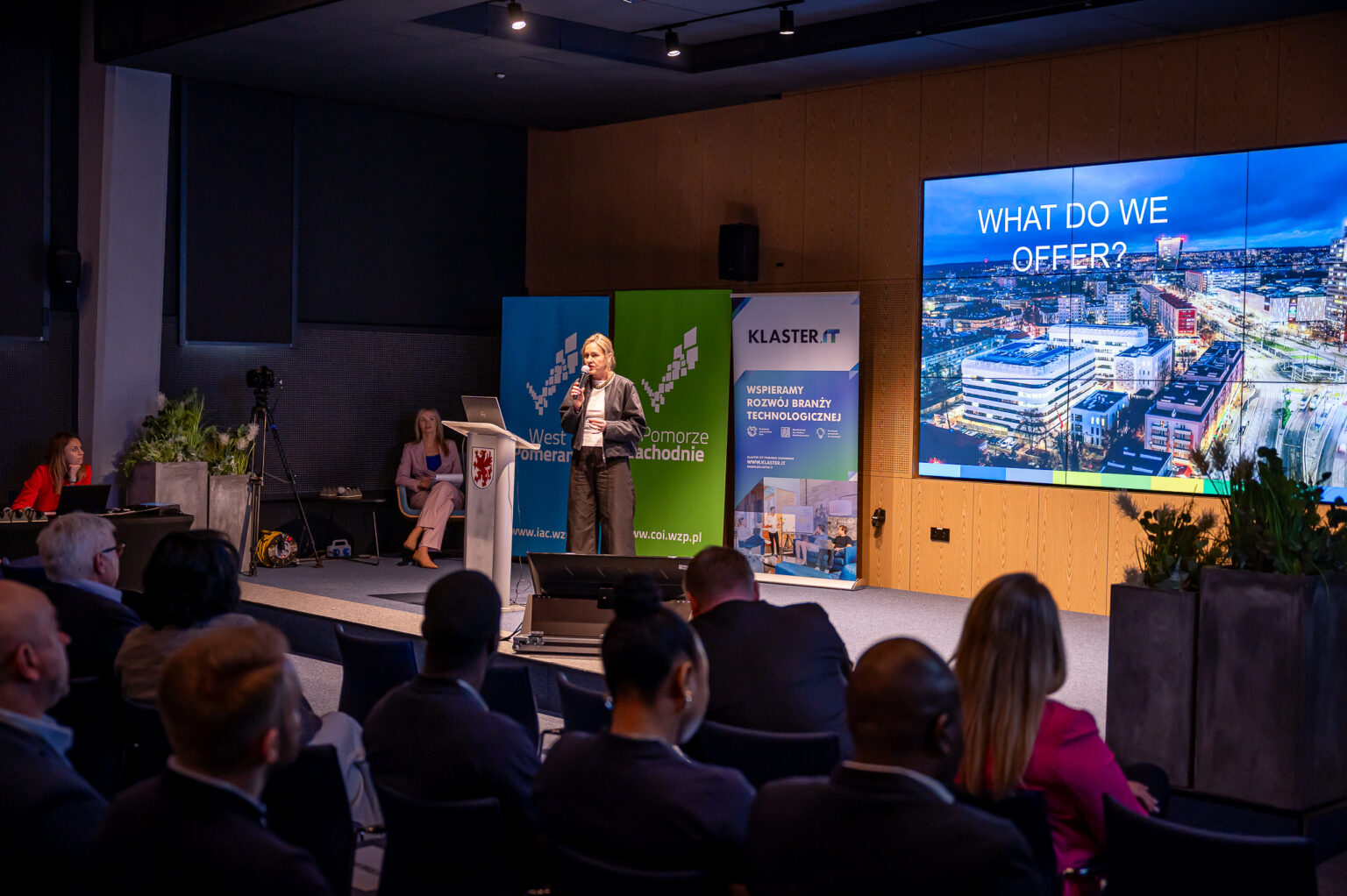
Dariusz Gradzik , Area Sales Associate at Eryk RITS, delivered a presentation on the looming shortage of IT specialists in the European Union . He discussed forecasts indicating that by 2030, there will be a shortage of nearly 8 million workers in this sector. He also highlighted the potential of Africa, and Nigeria in particular, as a source of young and qualified experts offering skills ideally suited to the needs of the European market. This approach allows European companies to effectively bridge the technology gap by utilizing proven remote IT services.

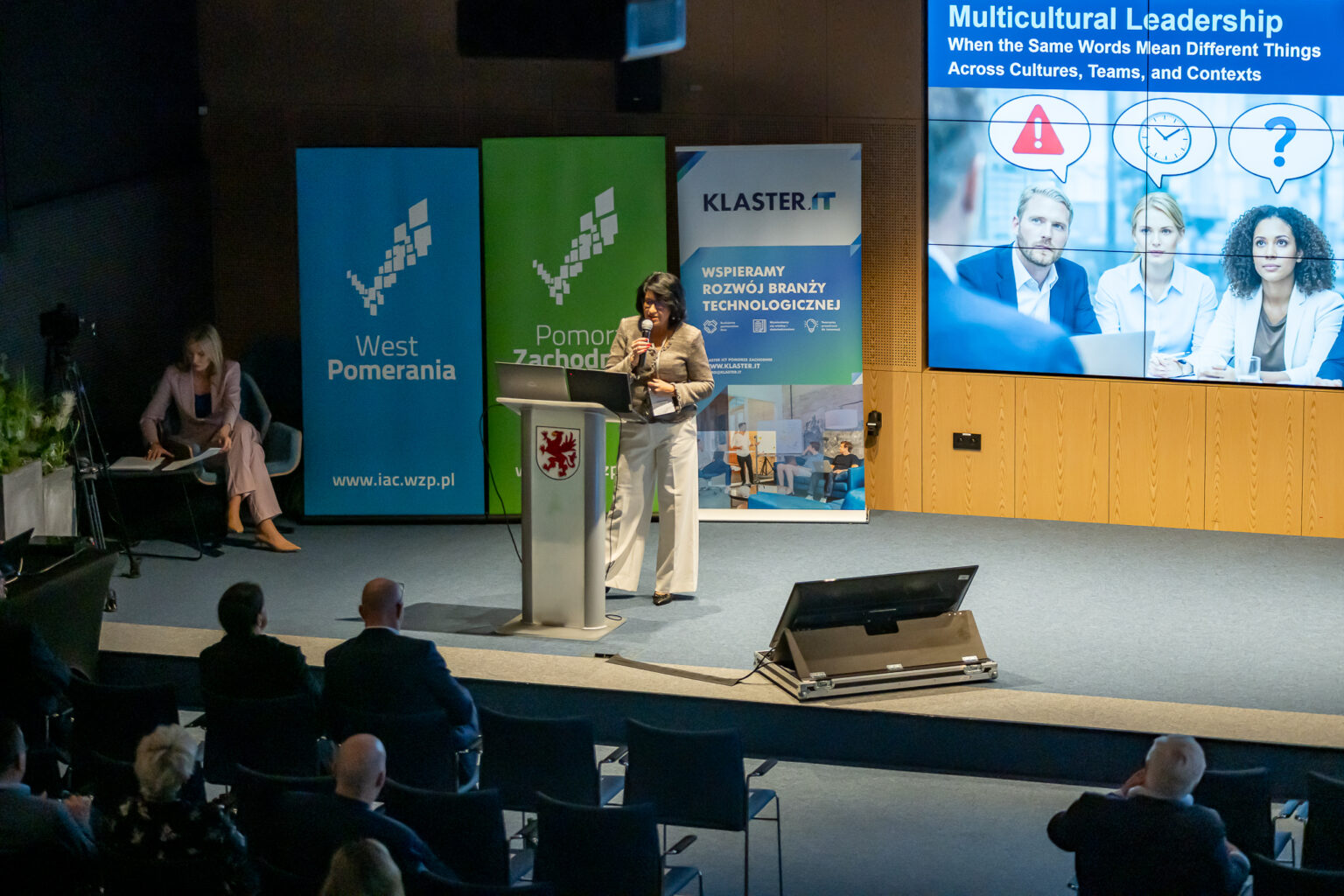
Later in the program, Bhajan Kaur , Co-CEO & Partner at INSCALE Group, discussed the challenges of managing multicultural and geographically dispersed teams. She pointed out that the same messages can be interpreted differently depending on the culture of the employees, and that differences in hierarchy influence behaviors such as silence or nodding. She emphasized that effective leadership requires empathy, understanding team motivations, and clear, direct communication instead of excessive control. The ability to lead across cultural differences is becoming a more important competitive advantage today than technology itself.
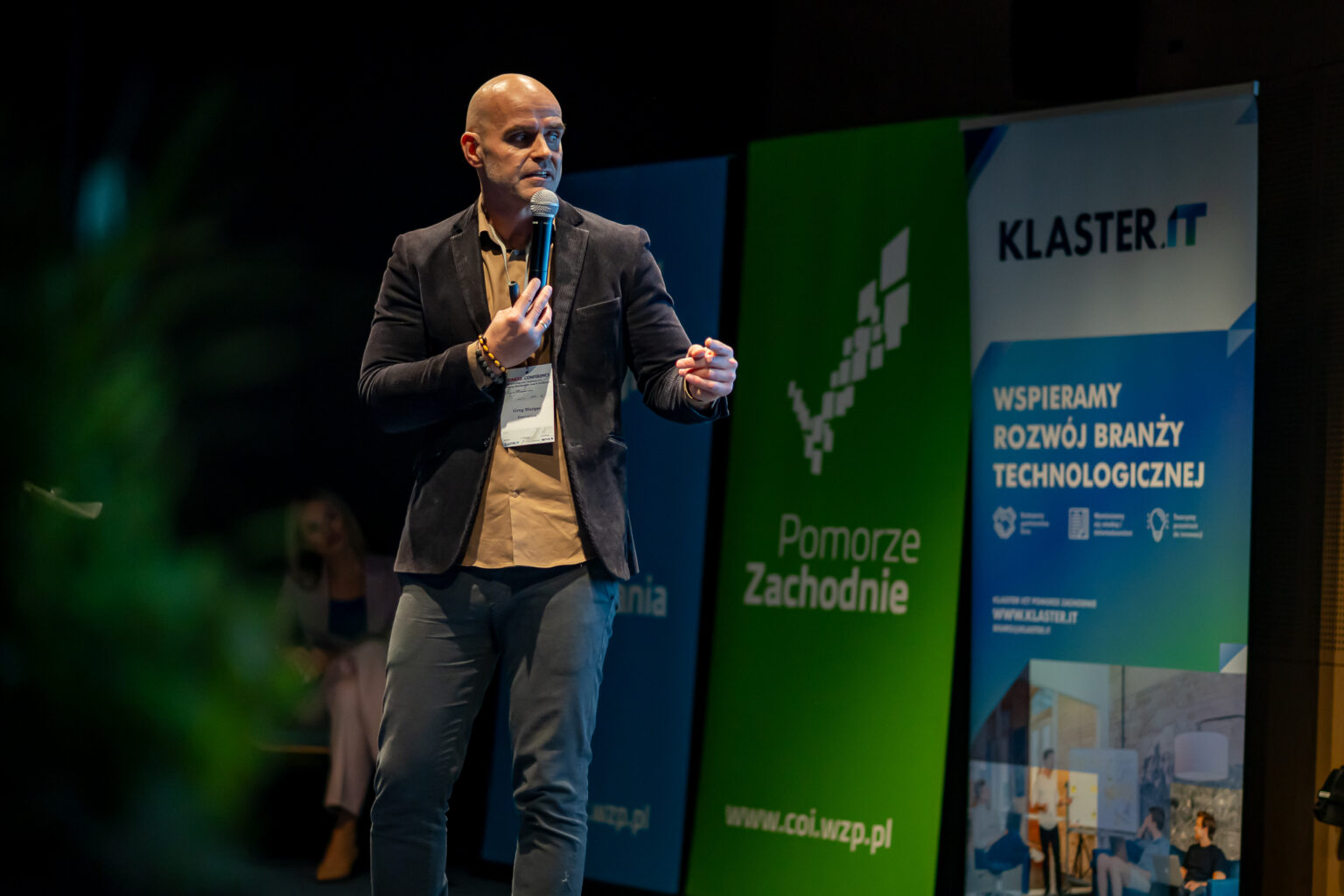
In his next presentation, Greg Margas , Business Development Executive at Enovation Solutions, discussed the impact of modern technologies on employees’ cognitive capital and the dangers of overreliance on artificial intelligence. He pointed out that automation, while making work easier, can lead to shallow thinking and a weakening of independent problem-solving skills . He emphasized the importance of achieving a state of flow, protecting oneself from digital distractions, and maintaining mental hygiene—sleep, physical activity, and healthy habits. He also highlighted the role of lifelong learning, for example, through open learning platforms, as key to building a competency advantage and effective human-technology collaboration.
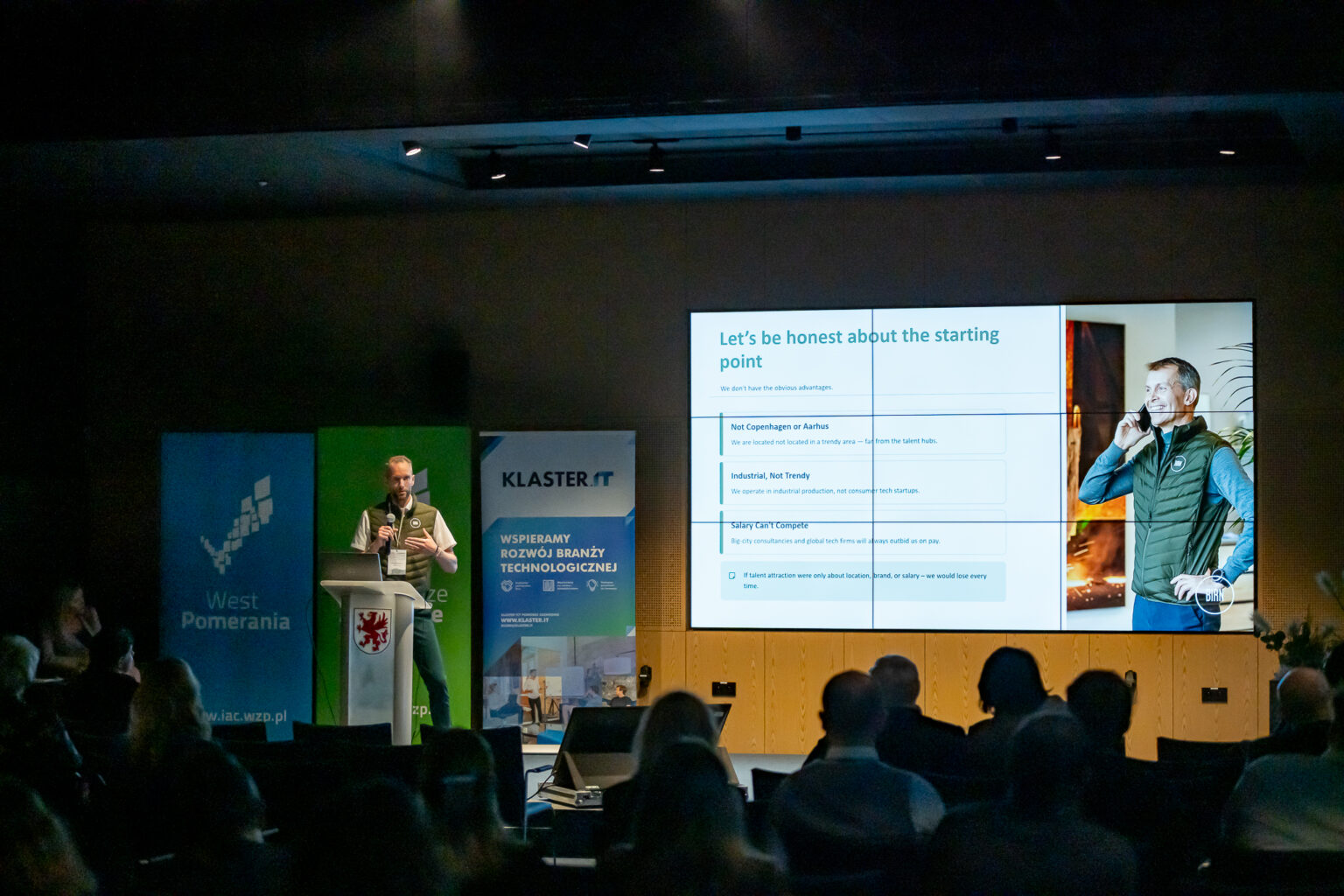
David Stampe Grønborg from the BIRN Group discussed the challenges of acquiring IT talent by industrial companies operating outside major urban centers. He emphasized that competition based solely on salaries or location prestige often proves insufficient. The solution lies in changing the work model – fully integrating remote teams and building a culture based on trust and responsibility. A key role is played by the partnership with Eryk, enabling access to motivated specialists from around the world while maintaining a local identity. Employee retention depends primarily on a sense of purpose and development opportunities, not on technology itself. The speech encouraged redefining traditional recruitment methods in favor of building lasting relationships and global digital competencies.
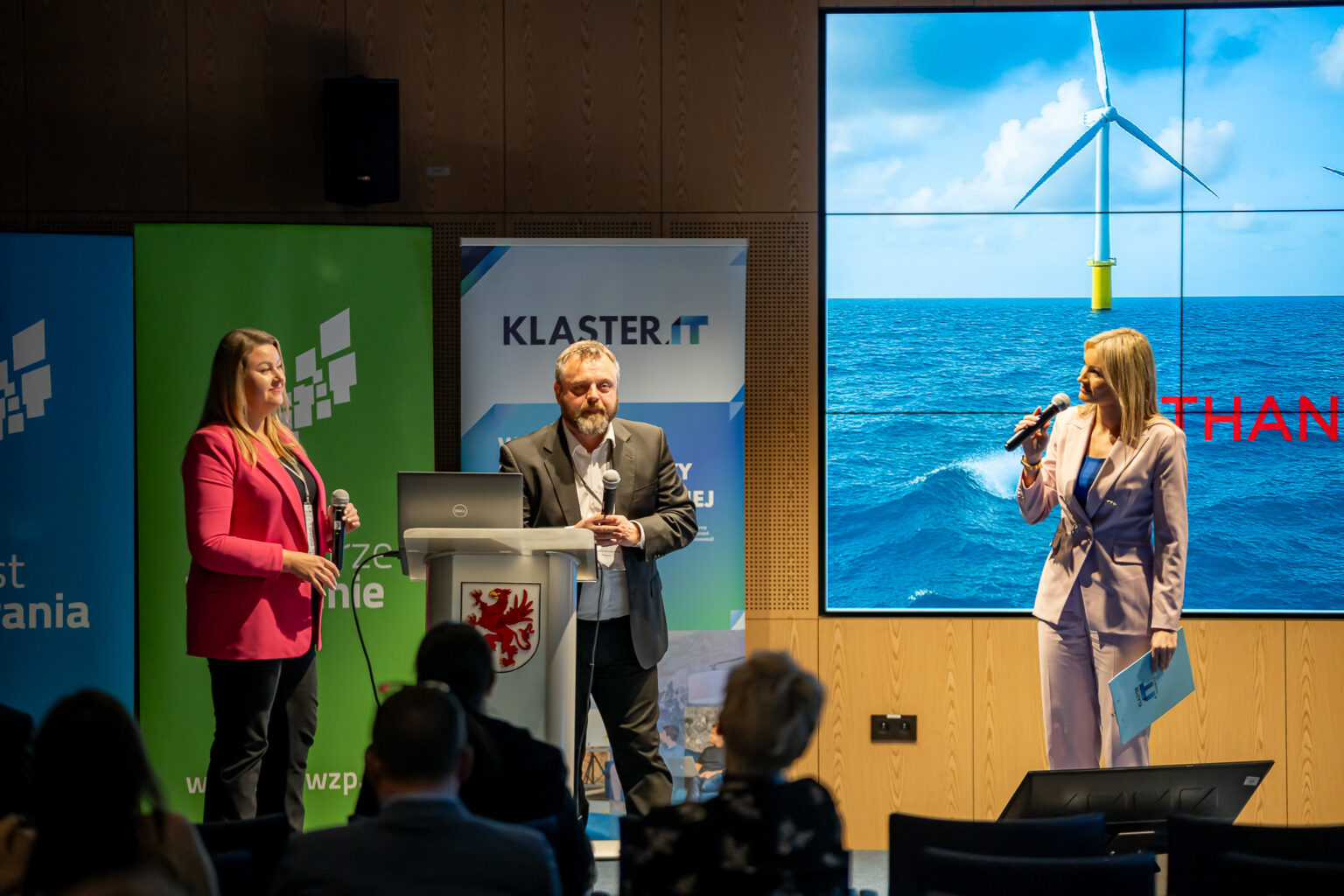
A presentation on Promeco Sp. z o.o.’s international development was led by Sebastian Bryczkowski , Production Unit Director, and Paulina Żuchowska , HR Manager. They presented the company’s profile, which specializes in advanced electrical and mechanical solutions for the maritime, energy, and rail sectors. They highlighted the organization’s international nature—five branches in Poland and Finland employ over 670 experts—and its long-standing relationships with contractors. They also discussed the challenges related to the shortage of qualified electricians in the local labor market, opportunities for building international teams, and the role of internship programs and systematic skill development in building stable teams. They emphasized the importance of corporate values, such as sustainability, safety, and innovation, in the company’s development strategy.
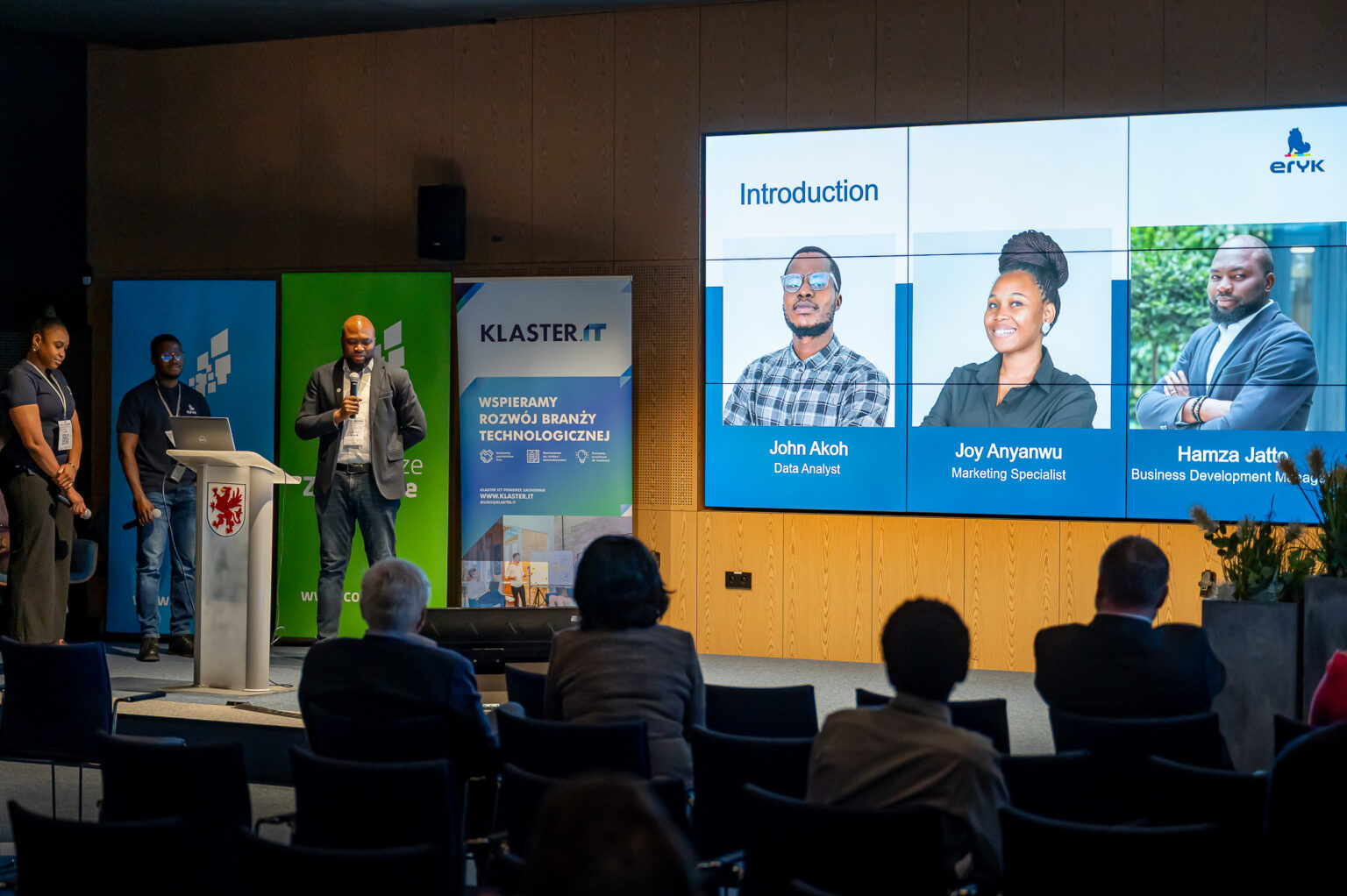
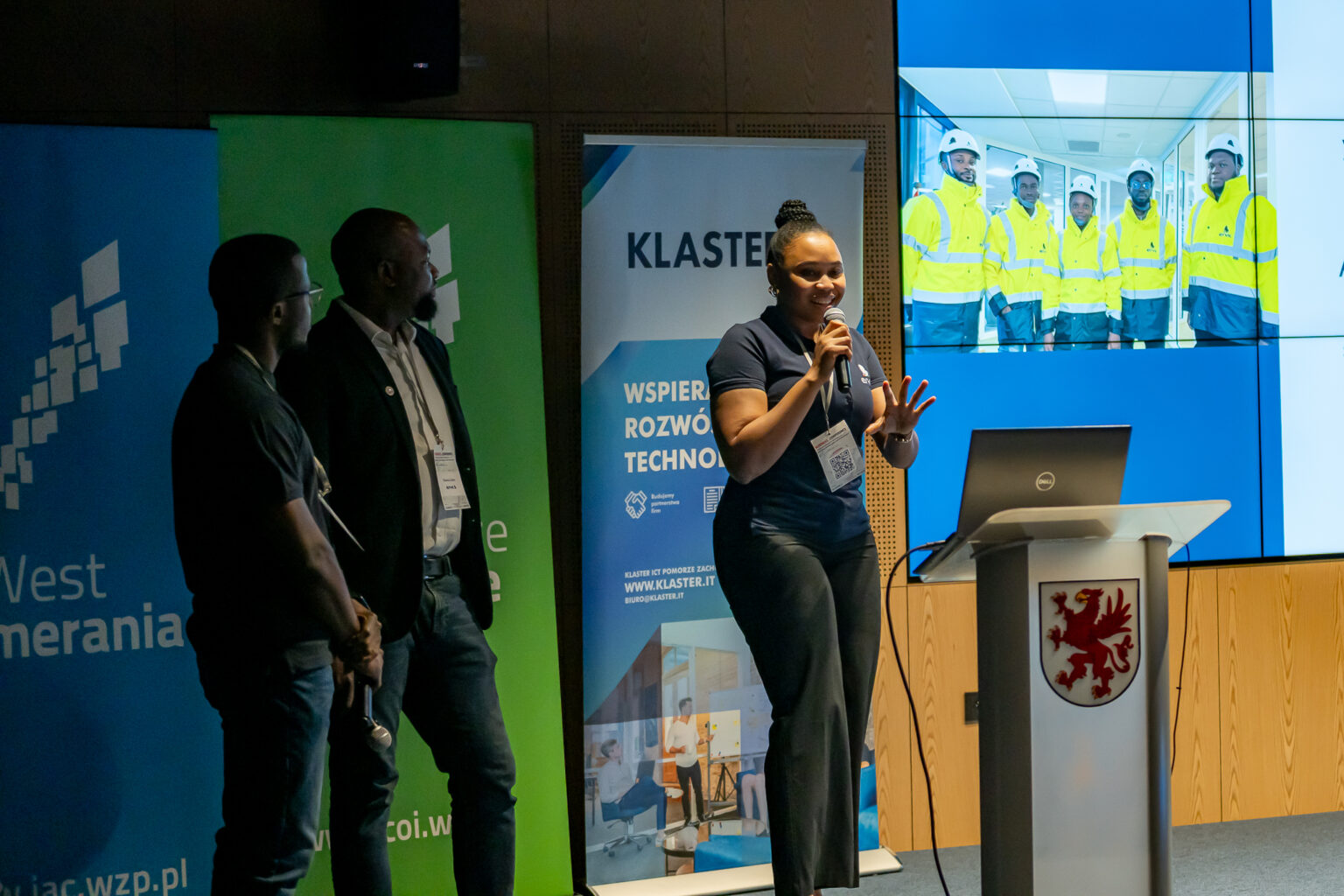
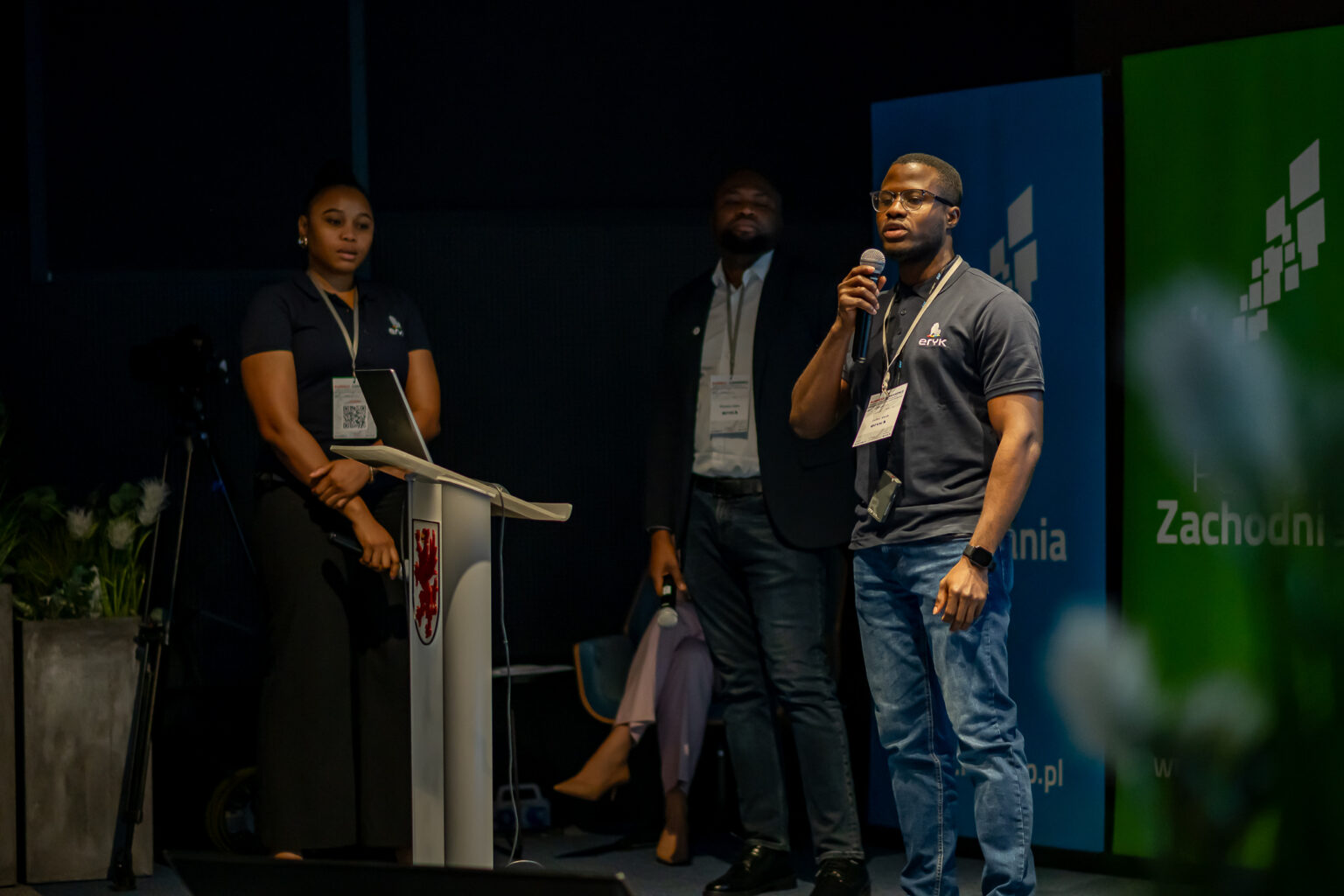
One of the final highlights of the program was a presentation by Eryk specialists – Joy Chinonye Anyanwu , John Akoh, and Hamza Jatto – who shared their experiences from their careers in Nigeria to Europe. They discussed the company’s strategy, based on international cooperation and a proprietary internship program for young talent from Africa, focusing on industrial automation, installation, and modern IT solutions. They emphasized the importance of flexibility, cultural adaptation, and continuous skill development, demonstrating how global talent can enrich European teams while maintaining their identity. The presentation also highlighted the role of partnerships in Poland and Denmark in the transfer of technical knowledge, the successes of program participants, and the ambitious goal of creating 1,000 stable jobs by 2030, leveraging the potential of the Lagos IT Hub to provide digital services to the global market. The presentation showcased a win-win business model that combines company development with social responsibility and a response to contemporary demographic challenges.
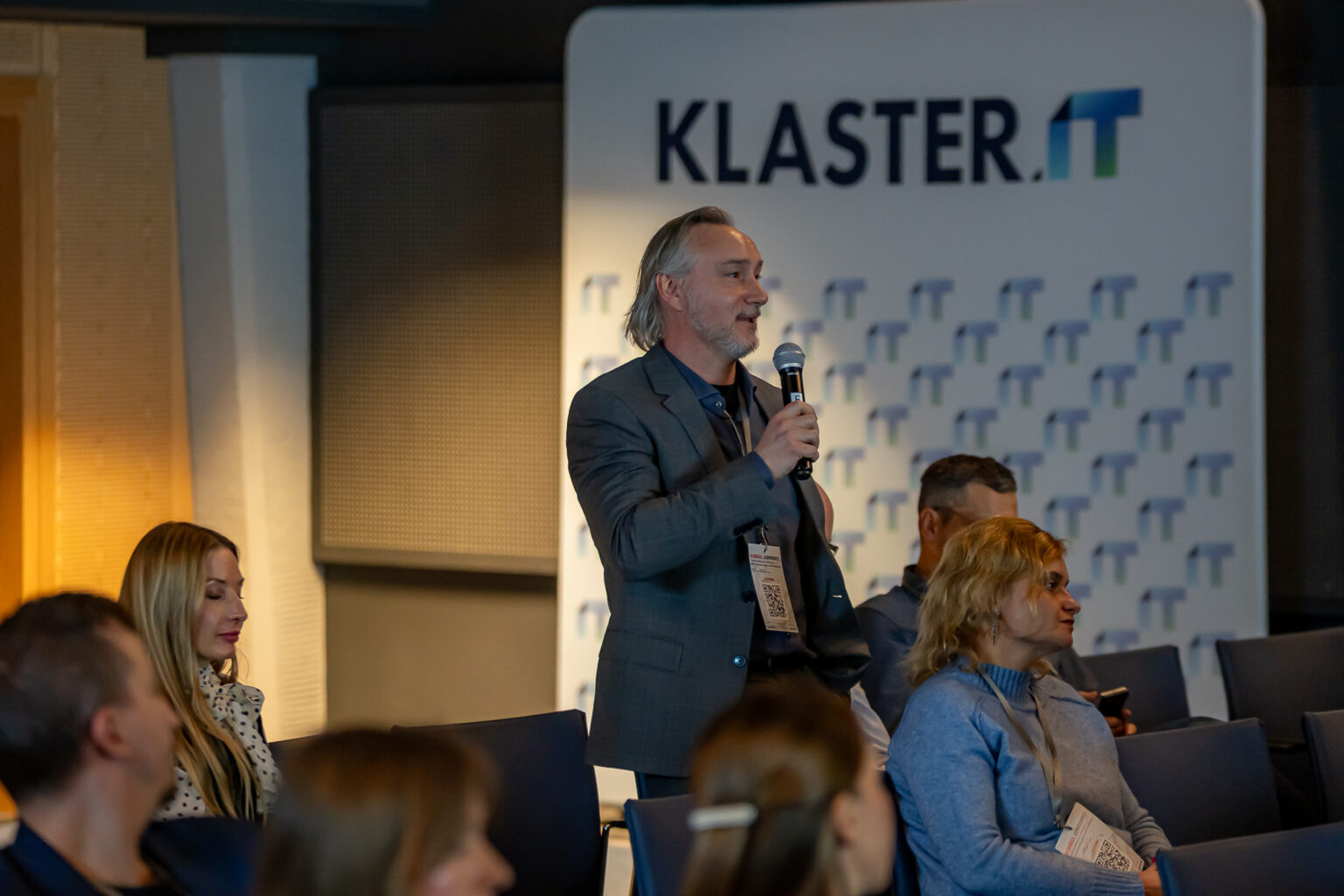
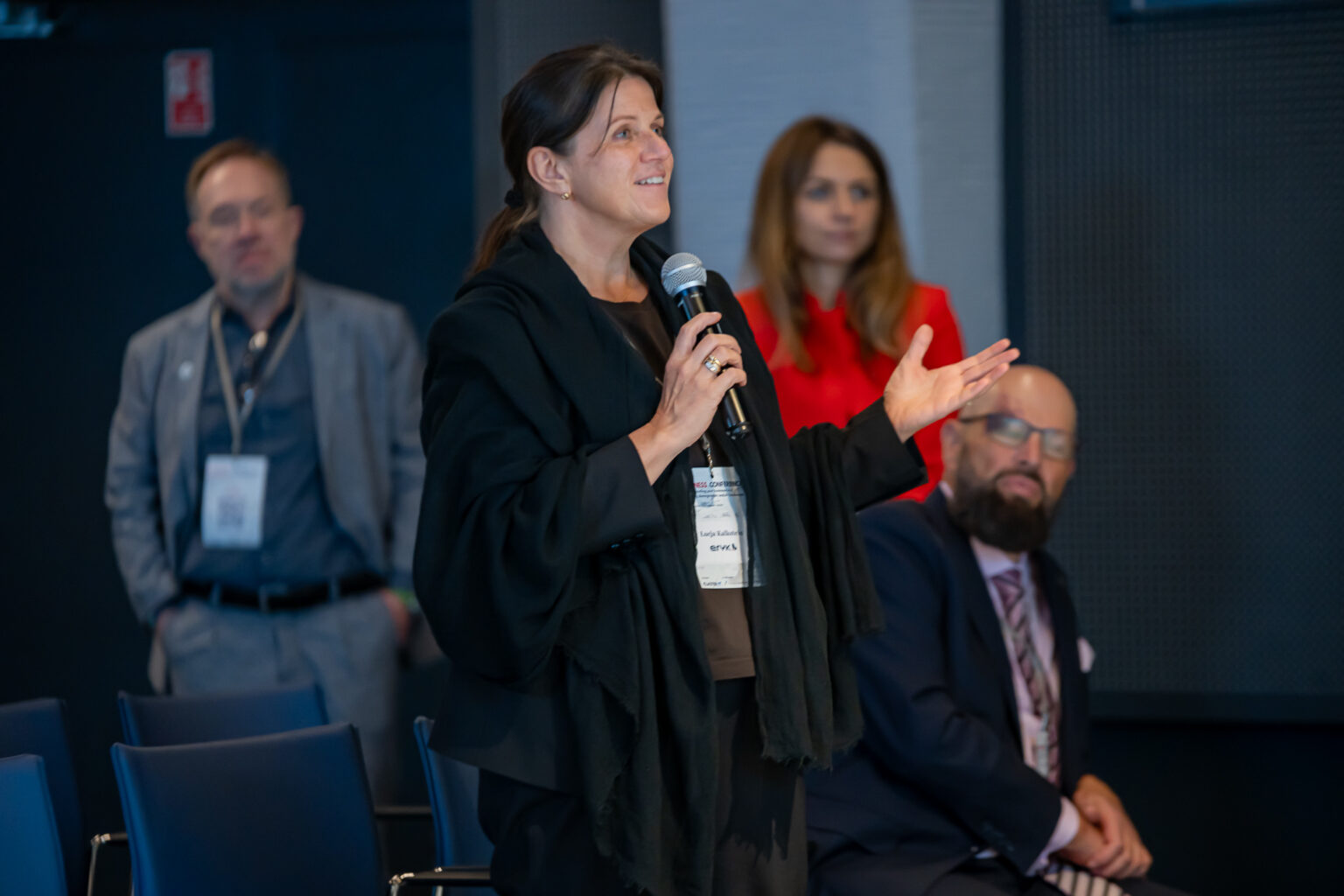
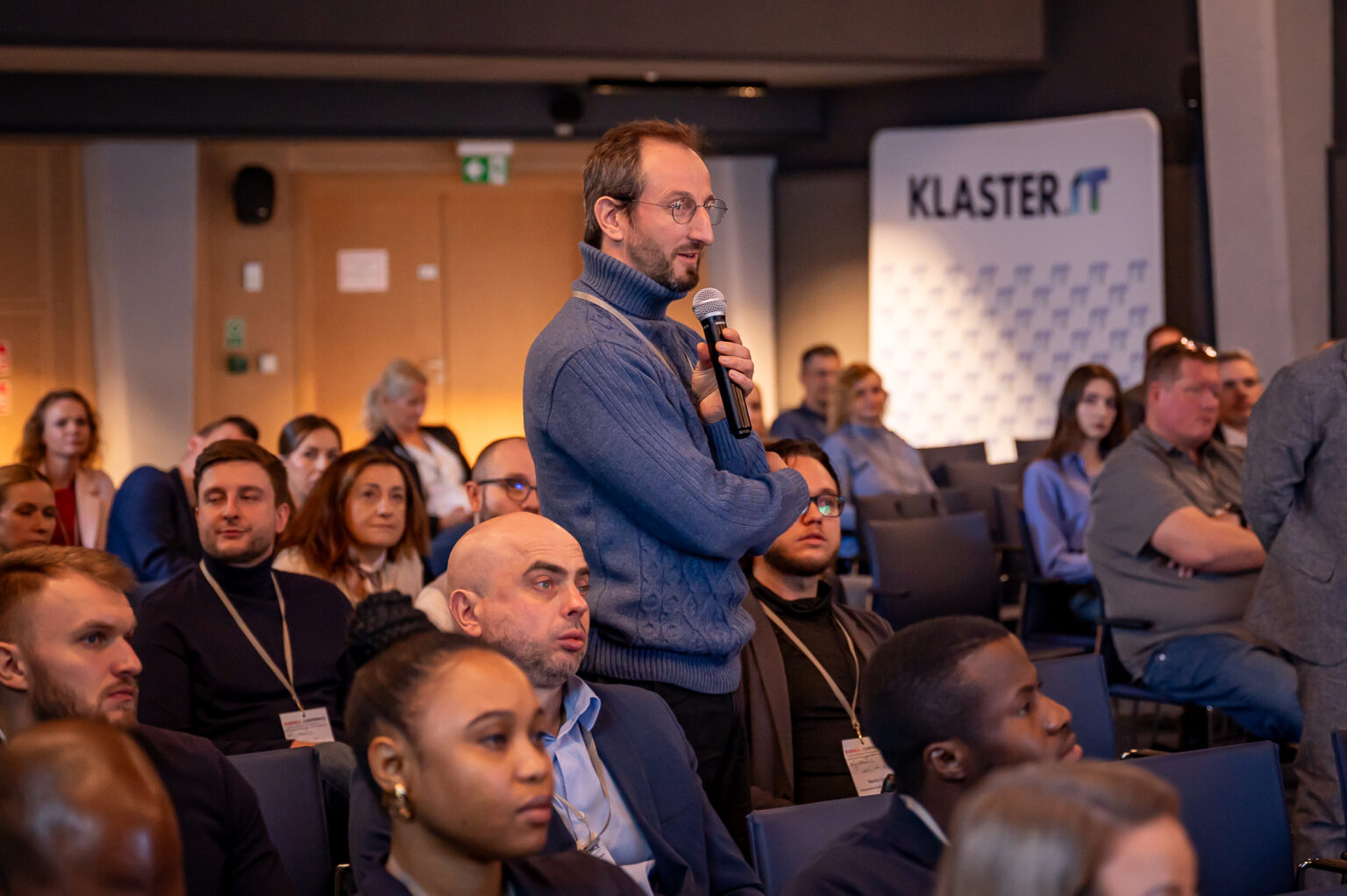
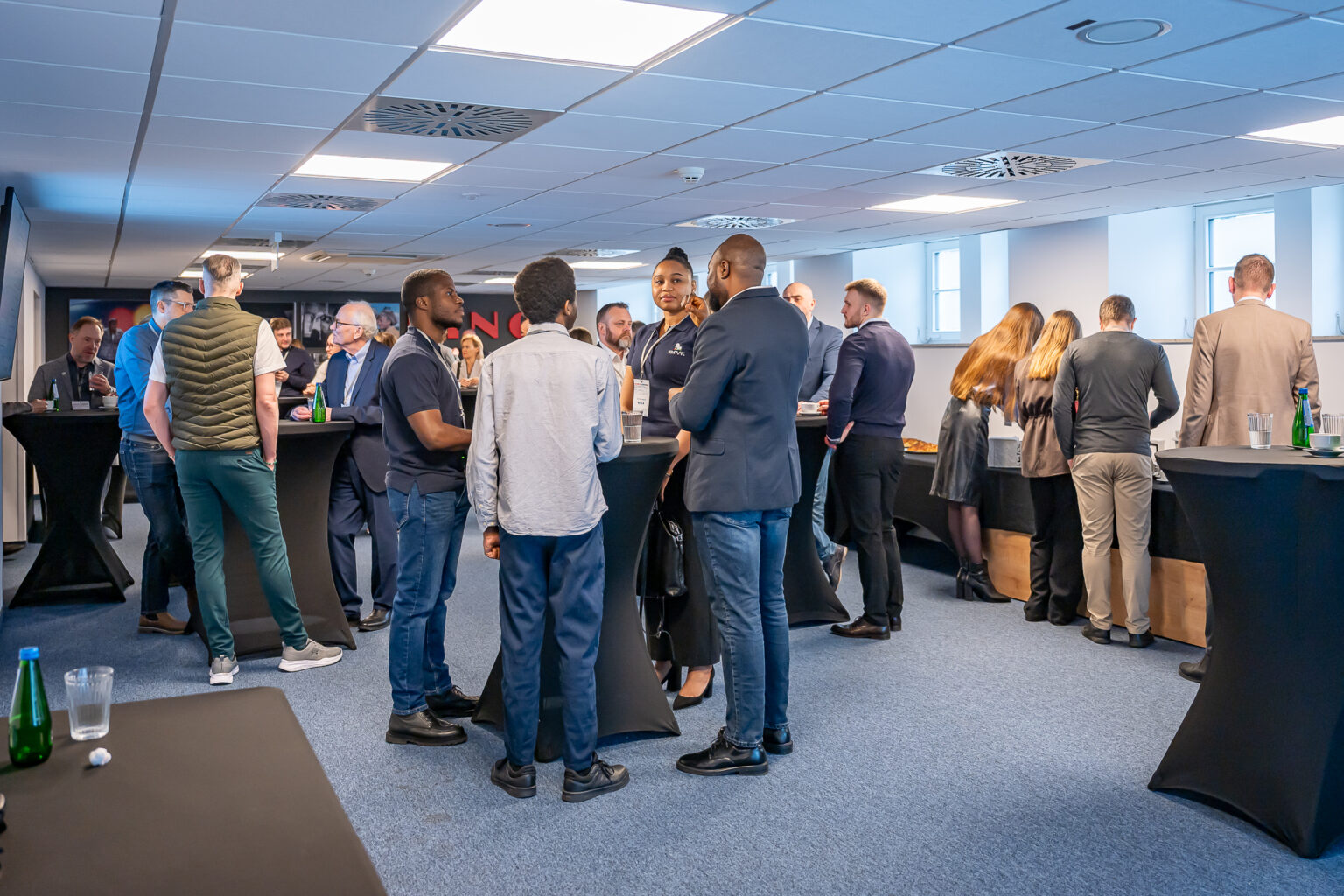
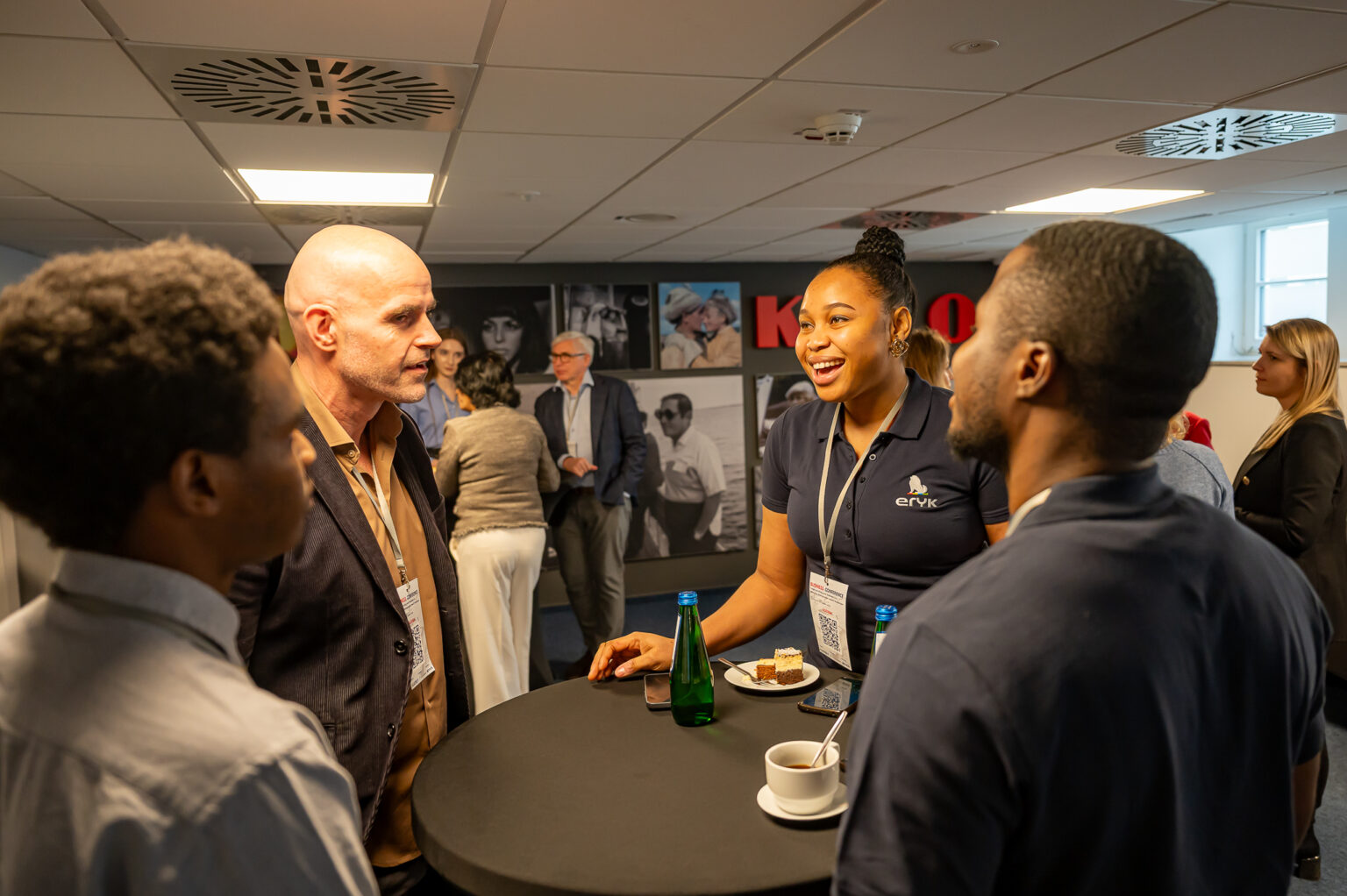
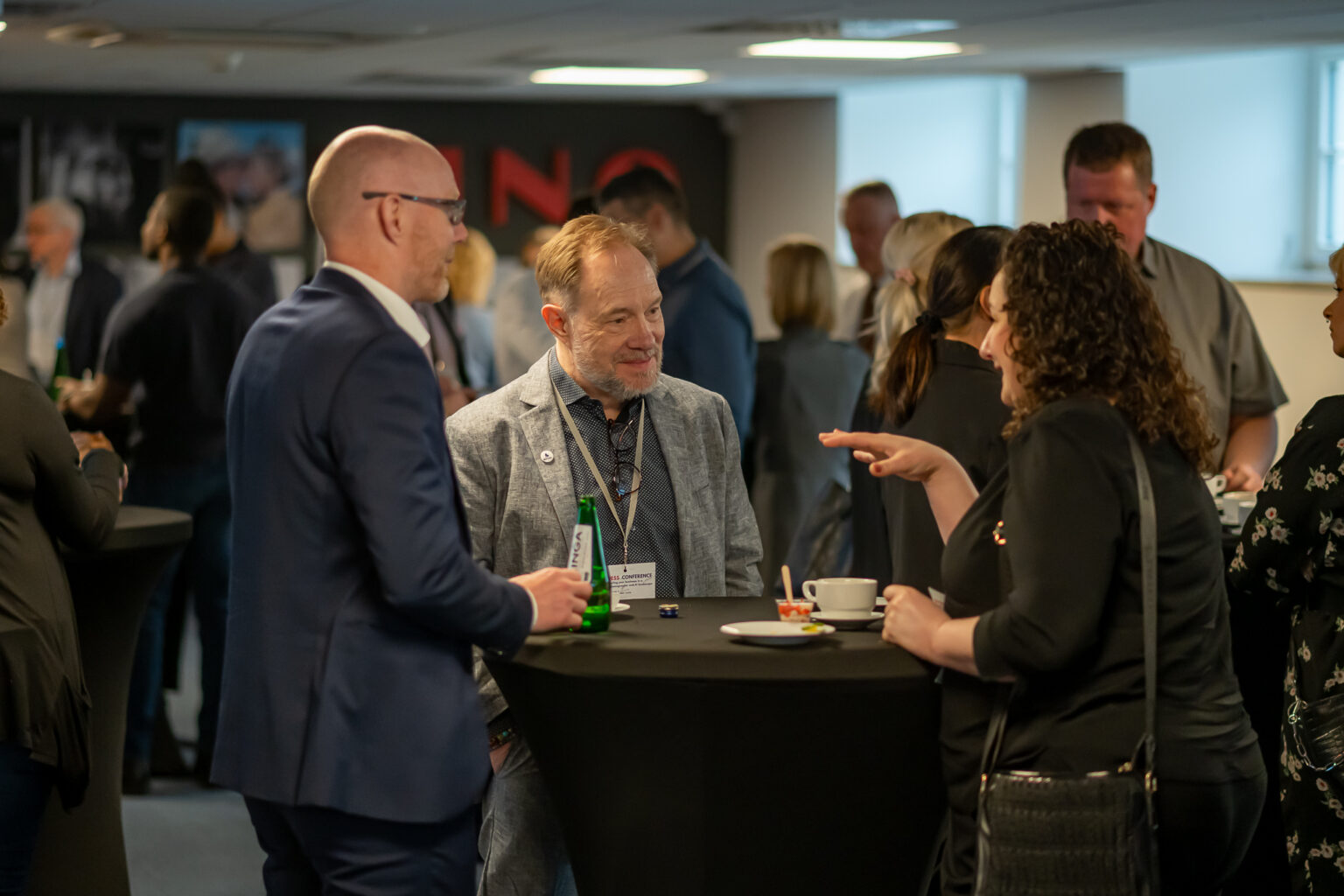
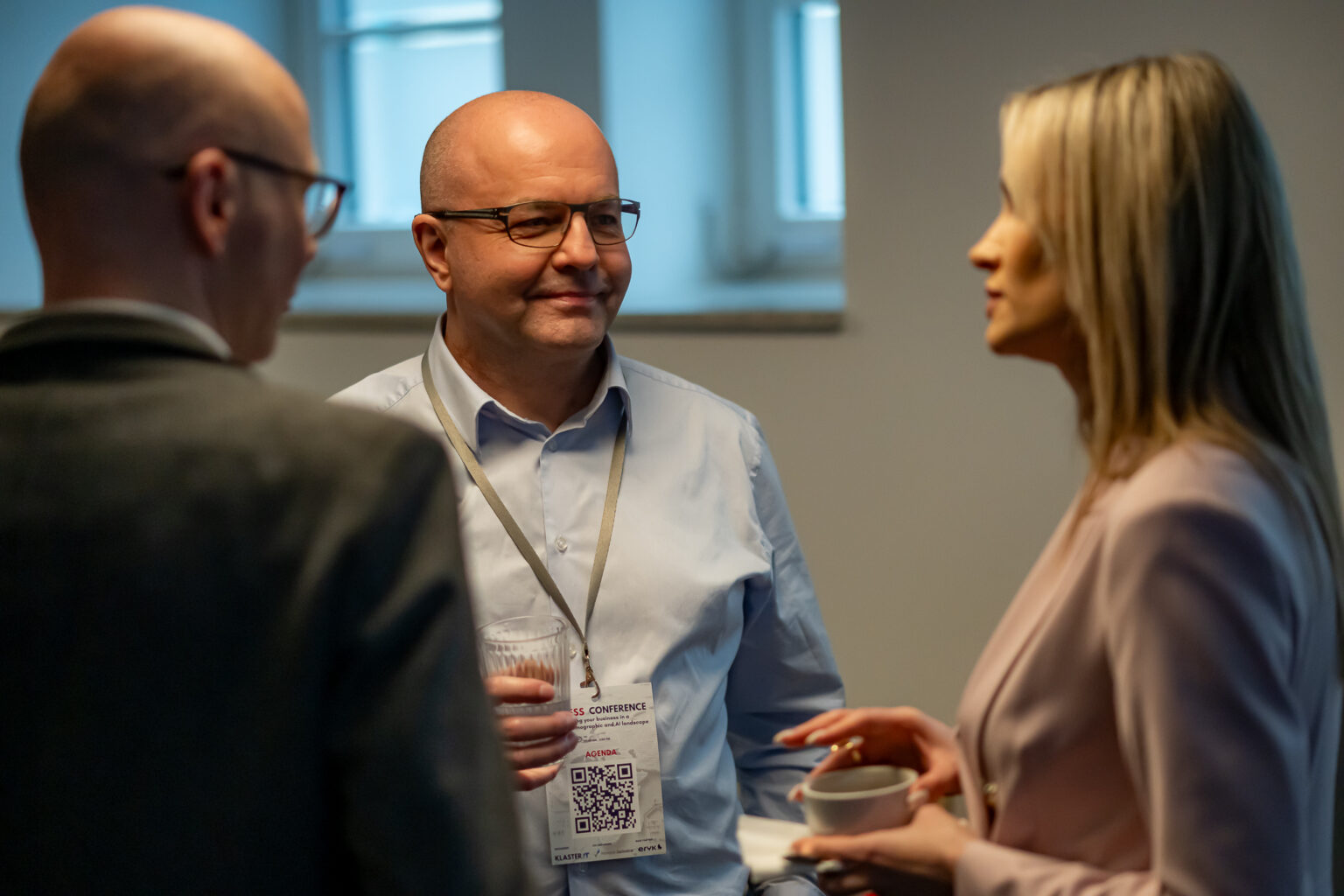
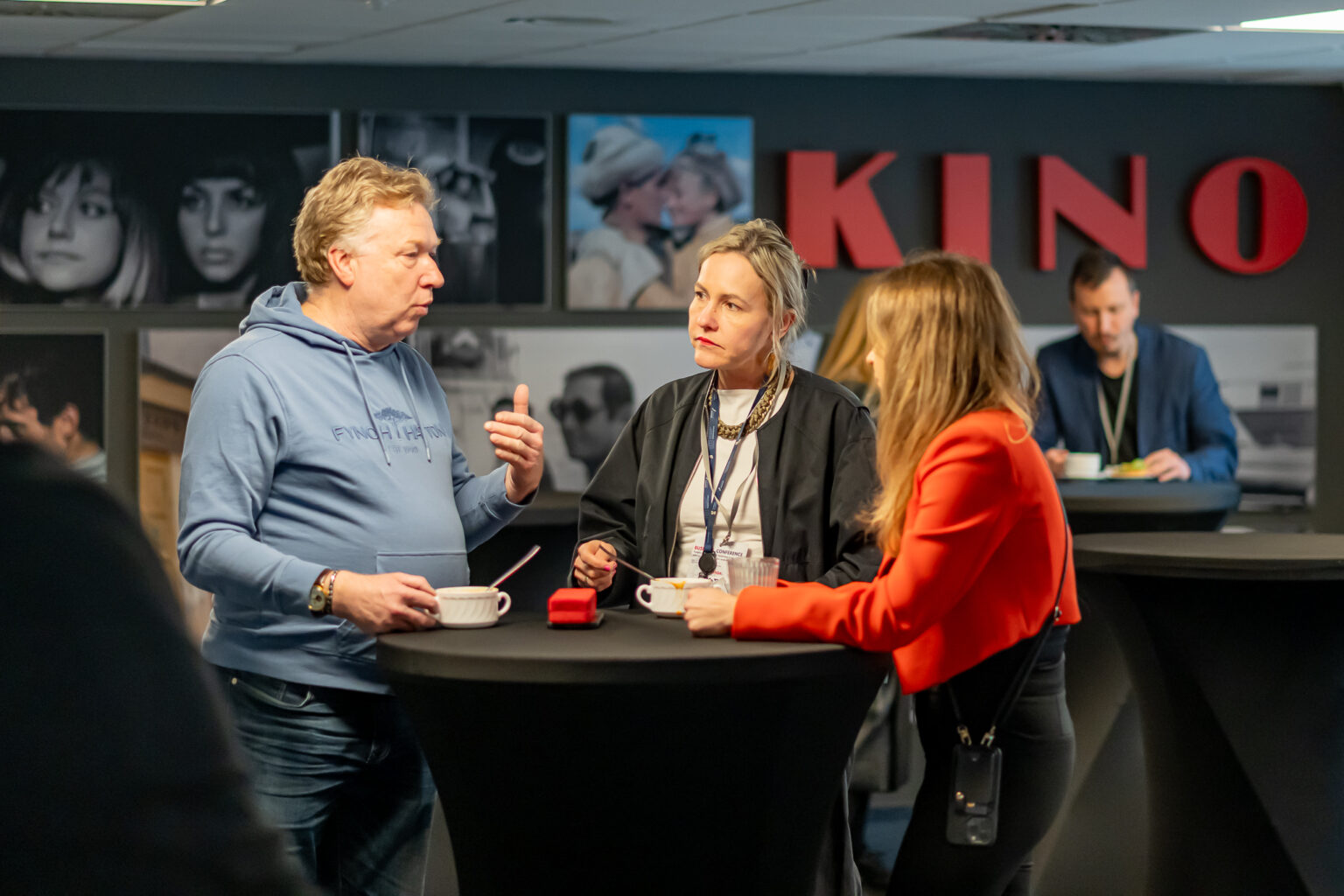
The conference became a unique space for exchanging knowledge and experiences – inspiring presentations by international speakers, full of practical tips and reflections, combined with question-and-answer sessions and networking, allowed participants to look at business and technological challenges from different perspectives.
We would like to thank all the speakers for their commitment and valuable conclusions, and the participants for their active participation, pertinent questions and willingness to share their observations.
The recording of the conference is available at the following link: Business Conference: “Future-proofing Your Business in a Changing Demographic and AI Landscape”
Credit: Klaster IT